Best Time to Visit Curaçao: Month by Month (2026)
Curaçao is a rare Caribbean island you can visit almost any month. It is hot, dry and breezy year round, sits below the main hurricane belt, and never really has a bad season. The differences are in rain, crowds and price, and this guide maps them month by month.
Pick your dates first, then leave some flexibility for sea conditions.
Quick Take: Give Klein Curaçao a full day early in your stay; a city walk or caves outing offers a different kind of day on land. Explore BlueFinn Klein Curaçao Cruise
When is the best time to visit Curaçao?
The best all-round window is roughly May to early December, the quieter, better-value stretch when the weather is still hot and mostly dry. December to April brings the sunniest, driest conditions but also the highest prices and the cruise crowds. Honestly, Curaçao works in any month; the choice is about budget and crowds more than weather.
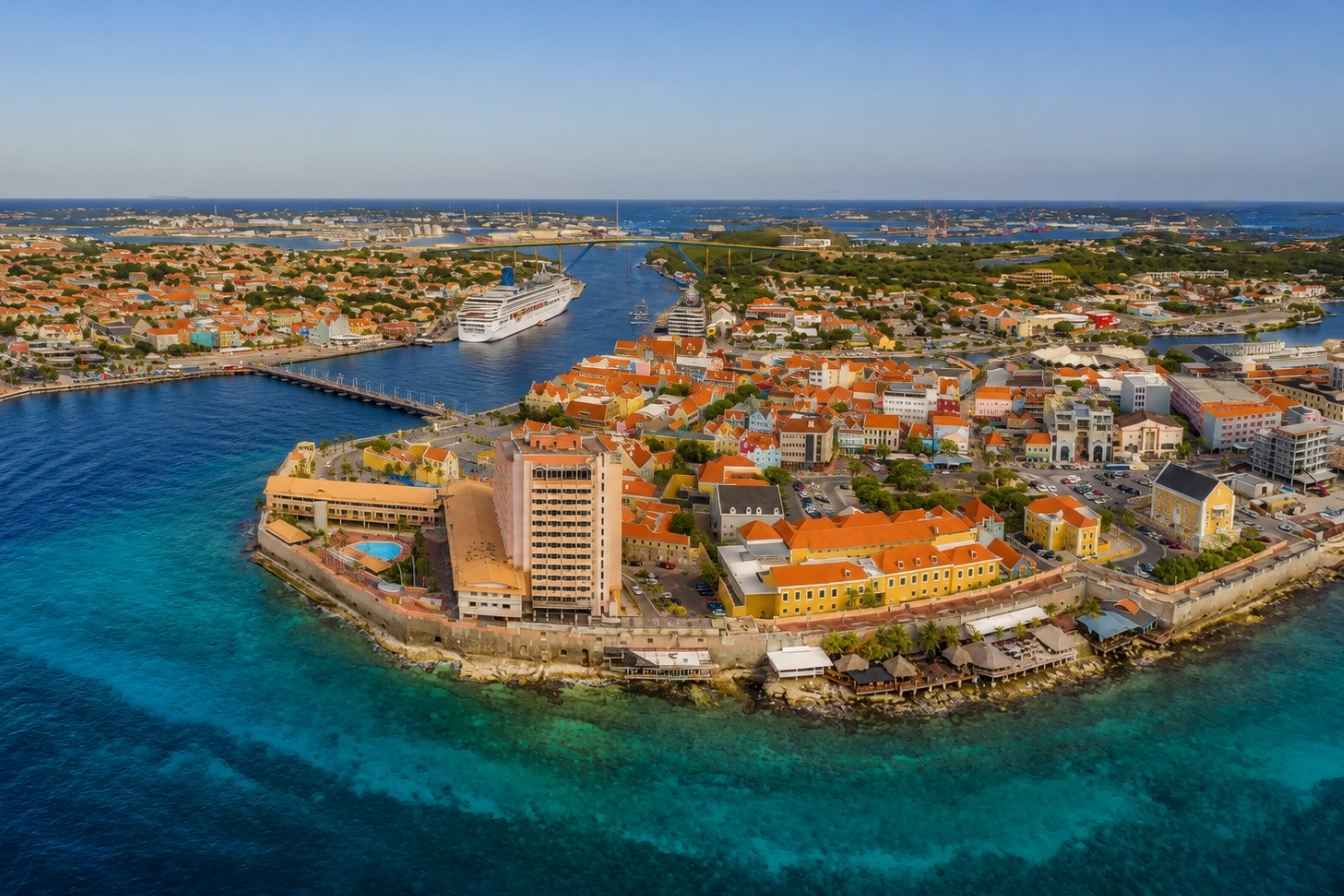
This is the island's biggest planning advantage. Trade winds keep it warm and breezy all year, rainfall is low even in the wetter months, and the sea stays swimmable. Unlike much of the Caribbean, there is no season you have to avoid outright. What shifts is the mix of price, crowd level and the small chance of a passing shower.
Because the differences between months are so mild, most people should book around price, school holidays and any festival they want to catch rather than chasing perfect weather, since the weather is reliably good. The Curaçao Tourist Board keeps current event calendars if you want to plan around a celebration.
| Season | Months | Weather | Crowds | Prices |
|---|---|---|---|---|
| High season | Mid-December to April | Driest, sunniest, breezy | Busiest, most cruise days | Highest |
| Shoulder | May to June | Hot, mostly dry | Moderate | Good value |
| Low season | July to November | Hot, brief showers possible | Quietest | Lowest |
Is Curaçao outside the hurricane belt?
Curaçao sits at the southern edge of the Caribbean, well below the track most Atlantic hurricanes follow, so direct strikes are rare. It is often described as being outside the main hurricane belt. Rare is not never, but the risk is far lower here than on islands farther north, which is a genuine reason it reads as a safe year-round pick.
The ABC islands lie around 12 degrees north, close to the South American coast, south of the belt where most storms form and intensify. The U.S. National Hurricane Center's climatology shows the busiest Atlantic tracks running well to the north of this latitude. The official Atlantic hurricane season still runs June through November, so the sensible move is to keep an eye on forecasts during those months, but Curaçao's history of significant direct hits is thin.
What the island does get in the wetter months is the occasional heavy shower or a distant storm's fringe bringing a windy, cloudy day, not the destructive systems that shut down travel elsewhere. Travel insurance is still smart in any season. You can check the season outlook at the National Hurricane Center.
Because the water stays sheltered most of the year, boat days like a Klein Curaçao catamaran day run across many months; check the live listing for the current schedule, which at the current listed price.
What is the weather like month by month?
Expect hot, sunny and breezy almost every month, with daytime highs typically in the upper 80s Fahrenheit and steady trade winds taking the edge off. Rain is light and usually comes in short bursts, concentrated from October through January. The sea stays warm and swimmable all year.
The seasonal swing here is small compared with most destinations. Temperatures barely move across the year, and even the wettest months rarely see all-day rain. The trade winds are the real variable: they blow hardest in the winter and spring, which keeps the heat comfortable but can put a light chop on exposed water.
The scorecard below is a typical-pattern guide, not a forecast, so treat the temperatures as approximate averages and the rain and crowd notes as the general shape of each month. Always check a live forecast close to your dates.
| Month | Typical high | Rain | Sea for boats | Crowds | Verdict |
|---|---|---|---|---|---|
| January | Upper 80s F | Low to moderate, brief | Breezy, some swell | Busy | Great, book early |
| February | Upper 80s F | Low | Breezy | Busy | Excellent |
| March | Upper 80s F | Low, driest stretch | Good | Busy | Excellent |
| April | Upper 80s F | Very low | Good | Easing | Excellent value near month-end |
| May | Upper 80s F | Very low | Calm | Moderate | Sweet spot |
| June | Upper 80s to 90 F | Low | Calm | Moderate | Sweet spot |
| July | Upper 80s to 90 F | Low | Calm, occasional breeze | Quieter | Good, hot |
| August | Upper 80s to 90 F | Low | Calm | Quieter | Good, hottest |
| September | Upper 80s F | Low, rising late | Calm | Quietest | Best value |
| October | Upper 80s F | Higher, short bursts | Generally calm | Quiet | Good, pack a light layer |
| November | Mid to upper 80s F | Wettest stretch | Variable | Rising | Fine, brief showers |
| December | Mid to upper 80s F | Moderate, easing late | Breezy | Busy from mid-month | Festive, book ahead |
What are the rainy months in Curaçao?
The wettest stretch runs from October through January, with November and December usually the rainiest. Even then, Curaçao is a dry, near-desert island: rain tends to arrive as short evening or overnight showers rather than washout days, and totals stay low by Caribbean standards. The driest months are typically February through June.
Because the island is semi-arid, cactus and divi-divi trees define the landscape rather than rainforest. A rainy day here often means a brief downpour that clears within the hour, then sun again. That makes the wet season a perfectly reasonable time to travel, especially given the lower prices.
Pack a light rain layer for October to December evenings and you are covered. The short showers rarely disrupt a beach day or a guided outing, and the landscape actually greens up a little afterward, which photographers appreciate. If a shower does roll in, it is the perfect excuse for a long lunch of local food.
Put the totals in perspective. Curaçao receives only a modest amount of rain across the whole year, far less than the lush, green islands farther into the Caribbean, and much of it falls at night. That is why the scenery is desert-like, with cactus, aloe and divi-divi trees rather than jungle. Travelers picturing tropical downpours are usually surprised by how dry and bright even the wet season feels here.
How warm is the sea for swimming and snorkeling?
The sea stays warm year round, generally sitting in the low-to-mid 80s Fahrenheit, so swimming and snorkeling are comfortable every month without a wetsuit. Water is warmest in the late summer and early autumn and only a touch cooler in winter, when the difference is barely noticeable in the water.
That steady warmth is a big part of why Curaçao suits a beach-and-reef trip in any season. Snorkelers floating over the coves at Playa Piskadó or Playa Lagun rarely feel cold, and the leeward coast stays sheltered enough for easy shore entries most days.
Divers do sometimes wear a thin wetsuit for longer time in the water, especially in the breezier winter months, but for casual snorkeling a swimsuit and rash guard are plenty. Visibility is generally excellent on the calm leeward side, best on mornings before the wind builds. For where to get in, see our guide to the best snorkeling beaches in Curaçao.
If you feel the cold easily, even the coolest water of the year sits well within comfortable swimming range, and a thin rash guard or shorty adds all the warmth most people need for a longer session. There is no month when the sea is off-limits here, which is one more reason the island works as an any-season trip and why a swim is on the table the very day you land, jet lag and all.
| Time of year | Sea comfort | Notes |
|---|---|---|
| December to March | Warm, slightly cooler | Breezier, small swell on exposed coasts |
| April to June | Warm, calm | Excellent for shore snorkeling |
| July to September | Warmest | Calmest water, best for boat trips |
| October to November | Warm | Brief showers, water still comfortable |
When is the best time for boat trips, diving and turtles?
For the calmest crossings to Klein Curaçao and the best dive conditions, aim for the low-wind late summer and early autumn, roughly July to October. The turtles at Playa Piskadó show up year round, and the leeward shore snorkeling is reliable in any month. Winter is fine too, just breezier on exposed water.
The trade winds are the deciding factor for anything on the water. They ease in the second half of the year, which flattens the sea and makes the longer boat days more comfortable and the visibility crisper for divers. That is the window if seasickness worries you or you want glassy conditions for photos.
None of this rules out winter, when many people still sail to Klein Curaçao and dive happily; you just choose a calmer forecast day and take motion-sickness precautions on the crossing. Wildlife is a constant here: turtles feed at the fishing beaches most mornings all year, and the flamingos at the salt pans do not follow a season.
One nuance for divers and snorkelers: the calmer late-summer water usually brings the best underwater visibility, while the breezier winter can put a little surge on exposed sites. The sheltered leeward coves stay diveable in almost any conditions, so a windy forecast means picking a protected spot rather than skipping the water. Plan boat trips and dives for the morning, before the daytime wind builds.
| Activity | Best window | Why |
|---|---|---|
| Klein Curaçao boat day | May to October | Calmer seas, smoother crossing |
| Diving and snorkeling | July to October | Lightest wind, best visibility |
| Swimming with turtles | Year round | Turtles feed at the beaches most mornings |
| Hiking Christoffel | December to April | Drier trails, cooler starts |
When is the cheapest time to visit Curaçao?
The cheapest months are usually September through early December, and again after the December holidays into the pre-summer shoulder. Late spring and early autumn offer the best balance of low prices, thin crowds and reliably good weather. Airfare and hotels peak from mid-December through March and around Carnival.
If value drives your trip, aim for the quiet stretch after the summer rush and before the winter crowds arrive. You get the same hot, dry weather at a fraction of the peak rates, and popular beaches and tours feel far less busy. Booking a few weeks ahead still helps, since the island is small and the best small-group trips fill up.
A quieter month also means an easier table on a half-day Willemstad food tour, which at the current listed price, so check the live listing for dates. Rates on rental cars and boat trips soften in these windows too.
A couple of booking habits stretch the savings further. Flights into Curaçao often swing widely in price, so watching fares over a few weeks and staying flexible by a day or two can pay off, especially from the US and from Amsterdam. Accommodation and popular small-group tours are cheaper and easier to secure outside the winter peak, though the very best boats and food tours still sell out in any season, so book those ahead even when the island is quiet.
| Value tier | Months | What to expect |
|---|---|---|
| Best value | September to early December | Lowest prices, quietest, brief showers |
| Good value | May to June | Low prices, dry, warm sea |
| Priciest | Mid-December to March, Carnival | Peak rates, sunniest, busiest |
When should you not visit Curaçao?
There is no month to avoid outright, but two windows suit some travelers less. If you dislike crowds and high prices, skip the mid-December to March peak and Carnival. If a stray shower would spoil your plans, know that October to December is the wettest, though rain still comes in short bursts, not washouts.
Cruise traffic is heaviest in the winter high season, so Willemstad's old town and the closest beaches feel busiest then. Carnival, which builds through January and February toward the pre-Lenten climax, is a joy if you want the festivities and a headache if you want quiet and cheap.
The wet-season showers are minor by Caribbean standards, and the low chance of a storm's fringe in the autumn is worth a glance at the forecast but not a reason to cancel. In short, pick your month around your tolerance for crowds and budget, not around any real risk of bad weather.
There is one practical exception worth flagging. If your heart is set on the glassiest possible seas for a long boat crossing, the windy heart of winter, roughly January and February, is the least reliable for that, glorious as it is on land. Choose a calm forecast day, sit toward the middle of the boat, and take motion-sickness precautions, and even those months are comfortable on the water.
What festivals and events shape the calendar?
The biggest is Carnival, a weeks-long build of parades and music through January and February that peaks just before Lent. King's Day on 27 April brings island-wide celebrations, and the Curaçao North Sea Jazz Festival draws crowds in the second half of the year. These events lift prices and bookings, so plan around them either way.
Carnival is the headline. Expect road parades, tumba music competitions and a festive, busy island, especially in and around Willemstad, so book accommodation and tours well ahead if you want to be there. King's Day, the Dutch royal celebration, turns the streets orange for a day of markets and parties.
The jazz festival packs the calendar for a weekend with big international acts, and smaller regattas, food events and Seú harvest parades dot the year. Around the busiest dates, a guided outing such as the caves, flamingos and beach highlights tour, at the current listed price, is an easy way to escape the crowded streets; check the live listing for availability.
What should you pack for Curaçao's weather?
Pack for heat, sun and wind in every season. The essentials are light, breathable clothing, a swimsuit, reef-safe sunscreen, a hat and sunglasses, and sandals plus a pair of sturdier shoes for walking Willemstad or hiking. Add a light rain layer from October to December and a thin windbreaker for breezy winter boat days.
The climate makes packing simple because it barely changes. Cotton and linen beat heavy fabrics, a rash guard protects you on long snorkel sessions, and a dry bag keeps your phone safe at the unstaffed coves. Because the sun is stronger than the breeze lets on, sun protection is the one category not to skimp on, and reef-safe sunscreen also protects the coral you came to see.
Season nudges the list only slightly. In the wetter autumn months a packable rain shell handles the short showers, and on breezy winter crossings a light layer takes the chill off the wind on the water. Otherwise the same small bag works all year, which is part of why Curaçao is such an easy island to pack for.
| Item | Why | Season |
|---|---|---|
| Reef-safe sunscreen, hat, sunglasses | Strong sun masked by trade winds | All year |
| Light, breathable clothing and swimsuit | Hot and humid every month | All year |
| Sandals plus sturdy shoes | Beaches, Willemstad, hiking | All year |
| Rash guard and dry bag | Snorkeling and unstaffed coves | All year |
| Packable rain layer | Short showers | October to December |
| Thin windbreaker | Breezy boat crossings | December to April |
Is Curaçao a good winter and holiday escape?
It is one of the Caribbean's most reliable winter escapes. From December to April the island is at its driest and sunniest, the sea is warm, and its position below the hurricane belt means the winter storms that hit farther north are not a worry here. The catch is that this is peak season, so prices and crowds run high.
For travelers escaping a northern winter, Curaçao delivers exactly what they want: dependable sun, hot days, warm water and no snow-day cancellations. Christmas and New Year are festive and busy, with the island filling up and rates climbing, so book flights, hotels and popular tours well ahead if you are traveling then.
If the holiday premium stings, the shoulder just after New Year into the pre-Carnival weeks can offer a slightly calmer, cheaper window with the same fine weather. Either way, a winter trip here is about as weather-safe as the Caribbean gets, which is a big part of the island's appeal. For sun-starved travelers escaping January in the cold north, that reliability alone often justifies the higher peak-season premium.
How busy does each part of the year get?
Crowds peak from mid-December through March and around Carnival, ease through spring, and thin out most in the late summer and early autumn. The busiest pressure points are Willemstad's old town and the nearest beaches on cruise-ship days, when several ships can dock at once. Drive a little farther and the crowds fade fast.
Cruise traffic drives much of the seasonal rhythm. On a heavy port day the historic center, the Queen Emma bridge and the closest beaches feel lively, while the far west coves stay quiet regardless. If you value space, travel in the low season or simply start early and head away from the port; the island is big enough to absorb its visitors.
The quietest months, roughly September and October, reward you with near-empty beaches and easy tour bookings, at the cost of a slightly higher chance of a passing shower. For most travelers that is a fair trade. If you want the buzz instead, Carnival and the winter high season are when the island is at its most social.
Which month fits your kind of trip?
For sun-certain weather and lively streets, come December to April and pay the premium. For the best balance of price, weather and space, target May to June or September to early November. For festival energy, plan around Carnival. Whatever you choose, the weather rarely lets you down here.
Match the month to what you value most: peak conditions and buzz, quiet value, or a specific event. Because the climate is so stable, you can build the rest of the trip around beaches, boat days and culture without worrying about a washed-out week.
If you are still shaping the plan, our look at how many days in Curaçao you need and our overview of things to do in Curaçao pair naturally with this calendar, and the guided Curaçao tours we list run across the seasons, so you can lock dates first and slot the experiences in afterward.