Best Snorkeling Beaches in Curaçao
Curaçao's best snorkeling comes from house reefs that start a short swim off the sand: the Tugboat wreck at Caracasbaai, turtle-filled Playa Piskadó, the double reef at Porto Mari, and calm coves like Playa Lagun and Cas Abao. Most reefs are shore-accessible with no boat required.
Wrecks, turtles and coral call for different snorkeling stops.
Quick Take: Choose a Tugboat boat outing for wreck snorkeling or the turtle-and-Knip trip for wildlife and included transport. Explore Tugboat Glass-Bottom Boat & Snorkel
Which Curaçao beaches are best for snorkeling?
The standouts are Tugboat Beach for a shallow wreck, Playa Piskadó for sea turtles, Porto Mari for a double reef, Cas Abao and Blue Bay for easy reef access, plus Playa Lagun, Grote Knip, Director's Bay and Playa Kalki. Nearly all are house reefs you reach by swimming out from shore.
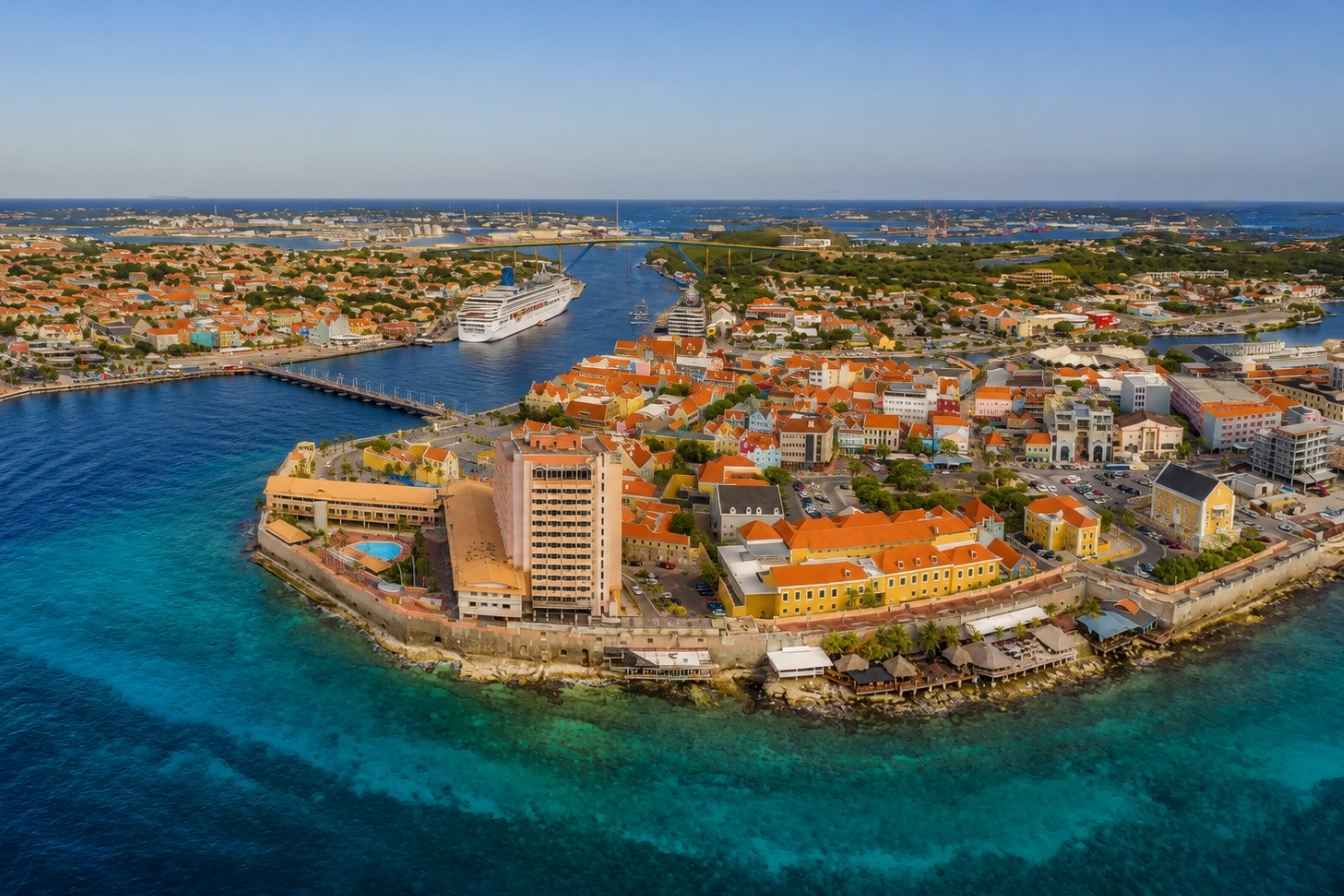
What sets Curaçao apart is how close the reef sits to the sand. On many islands you need a boat to reach coral; here you wade in, kick out a short way, and the reef wall drops off in front of you. That makes the island unusually friendly to shore snorkelers, from nervous first-timers to people who want to spend a whole afternoon face-down over coral.
| Beach | Entry | Marine life highlight | Difficulty | Facilities |
|---|---|---|---|---|
| Tugboat Beach (Caracasbaai) | Easy, shallow | Sunken tug and reef wall | Beginner | Bar, some rentals |
| Playa Piskadó (Playa Grandi) | Easy from sand or pier | Green sea turtles | Beginner | Basic, fishing village |
| Playa Lagun | Easy, sheltered cove | Fish, squid, occasional seahorse | Beginner | Small, snack shack |
| Porto Mari | Easy, sandy | Double reef, dense fish | Beginner to moderate | Restaurant, chairs, rentals |
| Cas Abao | Easy, sandy | Reef along the rocks | Beginner | Full facilities, entry fee |
| Blue Bay | Easy from resort beach | House reef and drop-off | Beginner to moderate | Full facilities, entry fee |
| Grote Knip | Easy, sandy | Reef along both headlands | Beginner | Basic, food trucks |
| Director's Bay (Directeursbaai) | Easy, small bay | Coral and calm water | Beginner | Limited |
| Playa Kalki (Alice in Wonderland) | Easy, small beach | Sloping double reef | Beginner to moderate | Dive shop, restaurant |
Where you go depends on what you want to see and how confident you are in the water. The sections below break the beaches into wreck snorkeling, turtle snorkeling, best coral and best beginner spots, so you can match a beach to your day. If you would rather have the water arranged for you, the sea turtle swim and Grote Knip escape handles gear and transport, and the Aquafari underwater scooter gets non-swimmers onto the reef with a helmet and no snorkel skills at all.
What will you actually see underwater?
Expect healthy hard coral, sea fans, and a busy cast of reef fish: parrotfish, blue tang, sergeant majors, trumpetfish, French angelfish and schooling grunts. Green sea turtles are common at a few beaches, and the Tugboat wreck adds a photogenic bit of structure to a shallow reef.
Curaçao's reefs are part of a marine environment that the CARMABI foundation has studied and helped protect for decades, and it shows in the coral cover and fish life close to shore. On an average snorkel you drift over brain coral and star coral, watch parrotfish crunch at the reef, and follow the flick of a trumpetfish hanging vertically among the sea fans. Patient snorkelers spot moray eels tucked in ledges and the occasional squid hovering in the shallows.
| What you'll see | Where it turns up |
|---|---|
| Parrotfish, blue tang, sergeant majors | Almost every reef, right in the shallows |
| Trumpetfish and French angelfish | Among the sea fans and coral heads |
| Green sea turtles | Playa Piskadó, sometimes Playa Lagun and Daaibooi |
| Moray eels and squid | Rocky ledges, for patient snorkelers |
| Brain coral, star coral, sea fans, sponges | The reef structure itself, close to shore |
The reef is a living system, so the golden rule is simple: look, do not touch. Standing on coral or grabbing it to steady yourself kills it and can cut you. Float, keep your fins off the bottom, and let the reef do the entertaining. The best beaches reward that restraint with more life, not less.
Which beaches are best for beginners and families?
Cas Abao, Grote Knip's shallow end, Playa Lagun and Porto Mari are the friendliest for beginners and kids. They have calm, clear, shallow water, gentle sandy entries, and reef close enough to see without a long swim. Facilities like chairs, food and shade make a family day easy.
For a first snorkel, calm water and an easy exit matter more than the flashiest reef. Cas Abao gives you soft sand, warm shallows and a reef along the rocky edges you can approach at your own pace. Grote Knip's protected cove lets nervous swimmers stay shallow while stronger ones kick out to the headlands. Playa Lagun is small, sheltered by cliffs, and rarely rough, which makes it a confidence-builder for children.
| Beach | Water | Why it suits beginners |
|---|---|---|
| Cas Abao | Calm, shallow, clear | Soft entry, chairs, shade, reef near the rocks |
| Grote Knip | Sheltered cove | Shallow center, reef at the sides for stronger swimmers |
| Playa Lagun | Very sheltered | Small, cliff-protected, rarely choppy |
| Porto Mari | Calm, sandy | Marked reef, chairs and a restaurant on the sand |
For the full picture on any one of these, our Cas Abao beach guide, Grote Knip beach guide and Playa Lagun guide cover entry fees, facilities and the best time to arrive. Families weighing which beaches and tours suit young children will also find our roundup of Curaçao with kids useful.
Where do you snorkel with sea turtles?
Playa Piskadó, also called Playa Grandi, on the northwest coast is the island's turtle beach. Local fishermen clean their catch off the small pier, which draws green sea turtles into the shallow bay, and snorkelers watch them glide close to shore. Playa Lagun and Daaibooi see turtles too, less reliably.
Piskadó is a working fishing village, not a resort, and that is exactly why the turtles are there. The scraps in the water are a natural draw, so the turtles arrive on their own rather than being baited to perform. You slip in from the sand or the pier steps, keep your distance, and let the animals come and go. Give them space, never touch or chase them, and never block a turtle heading to the surface to breathe.
Because the turtles are wild, sightings are likely but not certain. Mornings tend to be calmest and clearest. If you want the turtle swim handled, with gear, transport and a stop at the flamingo flats on the way, the sea turtle swim and Grote Knip escape is built around it. For the etiquette in depth, see our guide to swimming with turtles safely, and the full beach breakdown in the Playa Piskadó sea turtle beach guide.
Which beaches have the best coral reef?
Porto Mari's double reef, Cas Abao's rocky edges, Blue Bay's drop-off and Playa Kalki's sloping "Alice in Wonderland" reef hold the richest coral. Porto Mari is the connoisseur's pick: a shallow first reef, a sand channel, then a second reef with dense fish and healthier coral.
Porto Mari earns its reputation because the second reef, a short kick beyond the first, sees fewer feet and more life. You cross the sandy gap, the coral rises again, and the fish density jumps. Playa Kalki, at the far northwest tip, drops into a gently sloping reef that dive shops nickname Alice in Wonderland for its mushroom-shaped coral heads, and it snorkels as well as it dives near the surface. Blue Bay's house reef runs along a drop-off that rewards a longer swim, while Cas Abao's reef hugs the rocks at the beach's edges.
| Beach | Reef type | What makes it special |
|---|---|---|
| Porto Mari | Double reef | Second reef is quieter, denser, healthier |
| Playa Kalki | Sloping reef (Alice in Wonderland) | Mushroom coral heads, easy shore access |
| Blue Bay | House reef and drop-off | Wall structure, good visibility |
| Cas Abao | Fringing reef by the rocks | Easy, close, family-friendly coral |
If the coral is your main interest, you are close to being a diver already. Our Curaçao diving guide covers the same reefs from below the surface, including the sites you can reach straight from these beaches.
What about wreck snorkeling?
Tugboat Beach at Caracasbaai is the island's signature wreck snorkel. A small sunken tugboat sits in shallow, calm water close to shore, encrusted with coral and circled by fish, with a reef wall dropping off just behind it. It is easy enough for beginners and endlessly photogenic.
The tug rests shallow enough that you can float right over it, watch the fish work the hull, and still see the reef wall behind falling away into deeper blue. The bay is protected, so the water is usually glassy, and the whole scene is close enough to the sand that you are never far from an easy exit. Snorkelers and free-divers love it, and it doubles as a beginner shore dive.
Caracasbaai sits on the southeast peninsula near Director's Bay and the Love Seat viewpoint, and one relaxed way to reach it is the South-East electric scooter tour, which stops at Tug Boat Beach among other spots. For the full rundown on the beach itself, see our Tugboat Beach guide.
Do you need your own gear, or can you rent?
You can rent a mask, snorkel and fins at the busier beaches like Porto Mari, Cas Abao, Blue Bay and Playa Kalki, but quieter spots like Playa Piskadó and Director's Bay have little or nothing. Bringing your own set is the safe move, guarantees a good fit, and saves money over a week.
A leaking or poorly fitting rental mask can ruin a snorkel, so if you know you will get in the water more than once or twice, a cheap personal set pays for itself and fits properly. Rental gear at the developed beaches is fine in a pinch and usually decent quality. At the village and remote beaches, assume nothing is available and pack accordingly.
| Item | Bring or rent? |
|---|---|
| Mask and snorkel | Bring for a proper fit; rentals only at the busy beaches |
| Fins | Rentable at developed beaches, absent at quiet ones |
| Rash guard | Bring, so you can stay in longer without burning |
| Reef-safe sunscreen | Bring; protects both you and the coral |
| Water shoes | Bring for rocky entries like Playa Lagun |
A few extras raise the experience: a rash guard for sun protection so you can stay in longer, reef-safe sunscreen on the parts it does not cover, and water shoes for rocky entries at places like Playa Lagun. If your priority is seeing the reef without any snorkel skill at all, the guided Aquafari underwater scooter supplies a dry-head helmet and does the swimming for you, which suits non-swimmers and children over ten.
Which beaches charge entry, and what facilities do they have?
The developed beaches with full facilities, Cas Abao, Porto Mari and Blue Bay, charge a modest entry or parking fee, usually a few dollars per person or car; check current rates on arrival. The public beaches, Grote Knip, Playa Lagun, Playa Piskadó and Director's Bay, are free but have limited or no amenities.
The trade-off is straightforward. Pay a small fee and you get chairs, shade, toilets, a restaurant and gear rental, which makes a full day comfortable. Go free and you get raw beauty with, at most, a food truck or a snack shack, so you bring your own water, shade and towel. Neither is better; it depends on the day you want.
| Beach | Entry / parking | Facilities |
|---|---|---|
| Cas Abao | Modest fee, check current rate | Restaurant, chairs, restrooms, rentals |
| Porto Mari | Modest fee, check current rate | Restaurant, chairs, restrooms, rentals |
| Blue Bay | Modest fee, check current rate | Full resort-beach facilities |
| Grote Knip | Free | Food trucks, basic parking |
| Playa Lagun | Free | Small snack shack |
| Playa Piskadó | Free | Basic, fishing village |
| Director's Bay | Free or small fee | Limited |
Practical booking and rates change, so the Curaçao Tourist Board and each beach's own signage are the last word on current fees. For where these beaches sit in the wider lineup, our best beaches in Curaçao roundup maps the whole coast.
How do you snorkel responsibly and safely here?
Wear reef-safe sunscreen, never touch or stand on coral, and watch for boat traffic and current. Most Curaçao reefs are calm, but the northwest tip and any drop-off can pull. Snorkel with a buddy, keep an eye on your exit, and float rather than fin over shallow coral.
The two biggest hazards are sunburn and coral contact, and both are avoidable. A long snorkel in clear tropical water burns your back before you feel it, so a rash guard beats reapplying cream. Touching coral damages the reef and can leave you with stings or cuts, so keep hands to yourself and fins up. On the reef-safe front, conventional sunscreens contain chemicals that harm coral, which is why local marine guidance, backed by groups like CARMABI, pushes mineral, reef-safe formulas.
On water safety, respect the sites that need it. Playa Kalki and any drop-off can carry a current, so enter where it is calm and do not fight the water. Around Caracasbaai and busier bays, stay aware of boats and stick near the shallows. The reward for a little care is a reef that stays healthy and a day that ends well. If snorkeling has you curious about going deeper, the Curaçao diving guide is the natural next step, and to time it all with the calmest seas, check the best time to visit Curaçao.
Prefer to have the snorkeling arranged for you?
If you would rather skip the logistics, a guided water tour supplies gear, transport and a guide who knows where the fish are that day. It suits cruise visitors on the clock, non-swimmers, and anyone who wants the reef without renting a car or planning the route.
Self-driving to the beaches gives you freedom and costs little, but it means renting a car, packing gear and reading conditions yourself. A tour trades some of that freedom for a set that is handled end to end. The sea turtle swim and Grote Knip escape pairs a turtle snorkel with one of the island's prettiest beaches, at the current listed price, so check the live listing. The Aquafari underwater scooter gets you onto the reef with no snorkel skill at the current listed price, again subject to the current listing.
Whichever way you go, Curaçao's shore-accessible reefs are the real draw, and few Caribbean islands make coral this easy to reach. Line up a couple of these beaches, treat the reef gently, and you have the makings of the trip's best mornings. When you are ready to compare the guided options in one place, you can book a guided Curaçao island tour and let a local operator sort the gear and the route.