Best Beaches in Curaçao: A Full Guide to Every Coast
Curaçao's coast is a run of small limestone coves, each with its own character: postcard cliffs at Grote Knip, full facilities at Cas Abao, turtles at Playa Piskadó, a lively boardwalk at Mambo. This guide profiles every beach worth your time and helps you pick.
Choose your beach day around scenery, snorkeling, facilities and the drive.
Quick Take: A private western beach day lets you agree a route around Cas Abao, Jeremi and Kenepa, with pickup included. Explore Private Western Beach Day
What is the prettiest beach in Curaçao?
Grote Knip usually takes the crown. Its wide sweep of pale sand, layered turquoise water and low cliffs is the image most people picture when they think of Curaçao. Cas Abao is the close runner-up for its calm swimming bay and full facilities, and Playa Lagun wins for dramatic, cliff-walled seclusion.
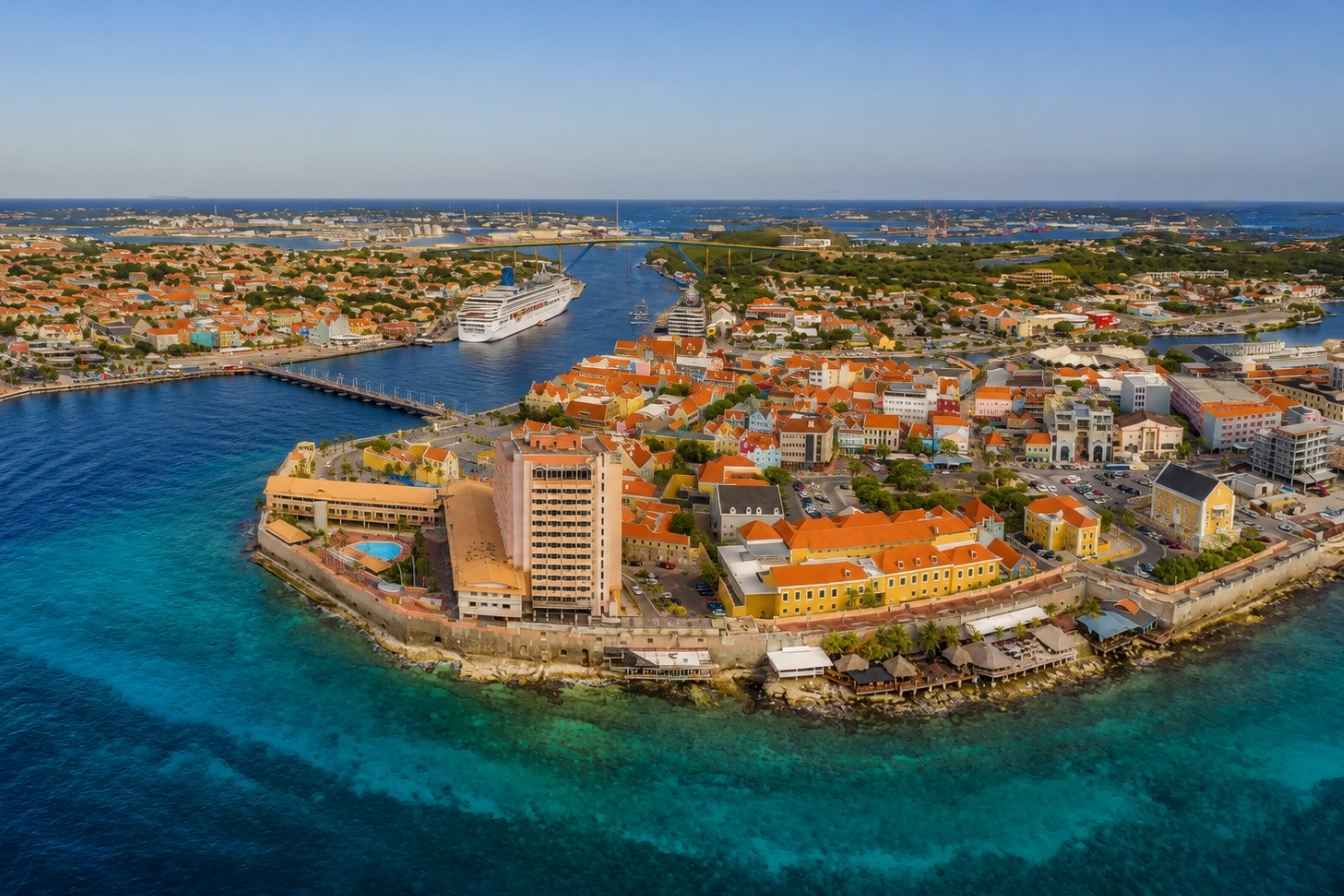
Prettiness is personal, though, and the island gives you a spread of very different looks. Some coves are tiny and shaded; others are broad and open. A few come with chairs, showers and a bar; the wild ones give you nothing but sand and reef. The one constant is the water, which stays clear and swimmable along the sheltered south and west coasts nearly year round.
Curaçao is often said to have more than 30 beaches, and the real pleasure is that they sit close enough to combine. A single west-coast day can take in three or four coves, each with its own mood, so you rarely have to commit to just one. This guide walks the whole coastline so you can match a beach to your mood and your plans.
The guided beach trips at Curaçao Island Tours bundle transport, gear and local know-how for the coves that are hardest to reach on your own, which is worth knowing before you rent a car for a single beach day.
A quick way to choose: if you want facilities and an easy day, pick a managed beach like Cas Abao or Porto Mari. If you want scenery and quiet, aim for the free coves at Grote Knip, Kleine Knip or the Westpunt tip. If snorkeling is the point, follow the turtles and the reefs. Most trips end up mixing all three across a few days, which the island's small size makes painless.
| Beach | Coast | Sand | Best for | Facilities |
|---|---|---|---|---|
| Grote Knip | West | Wide, white | Swimming, cliff jumps | Limited, food truck |
| Kleine Knip | West | Small, white | Shade, quieter dip | Basic, some shade |
| Cas Abao | West | White | Full beach day | Full, paid entry |
| Playa Lagun | West | Small cove | Shore diving, turtles | Basic snack bar |
| Playa Piskadó | West | Small, working beach | Snorkeling with turtles | Basic, free |
| Mambo Beach | South | Groomed | Bars, easy access | Full boardwalk |
Which beaches in Curaçao are free, and which charge entry?
Many of the best-known coves are free, including Grote Knip, Kleine Knip, Playa Lagun, Playa Piskadó and Playa Kalki. A handful of managed beaches charge a small entrance or parking fee in exchange for facilities: Cas Abao, Porto Mari, Blue Bay and the Jan Thiel and Mambo areas near the capital.
The trade is simple. Free beaches give you raw scenery and, usually, little to no shade, toilets or chairs, so you bring your own everything. Paid beaches hand you restrooms, sunbeds, a restaurant and often a dive shop, which families and longer beach days appreciate. Fees are modest and go toward upkeep and staffing.
If you are hopping several coves in one day, budget a little cash for the paid ones and pack water and shade for the free ones. A useful rhythm is to start early at a free cove while it is quiet and cool, then move to a managed beach with a kitchen when you want lunch and a lounger. That way you get the best of both.
| Free beaches | Paid or managed beaches |
|---|---|
| Grote Knip | Cas Abao |
| Kleine Knip | Porto Mari |
| Playa Lagun | Blue Bay |
| Playa Piskadó | Jan Thiel |
| Playa Kalki and Playa Jeremi | Mambo Beach area |
What are the best west-coast beaches?
The west coast holds the island's greatest hits. Within a short stretch you can reach Grote Knip, Kleine Knip, Cas Abao, Playa Lagun, Porto Mari and the Westpunt pair of Playa Kalki and Playa Jeremi. These are the coves with the cleanest water, the best shore snorkeling and the classic cliff-framed look.
The broad cove at Grote Knip, known locally as Kenepa Grandi, is the star: pale sand, deep blue water and cliffs that draw the jumpers. Cas Abao beach is the polished all-rounder with a calm swimming bay, chair rentals and a restaurant. For quieter water, Playa Lagun is a slim inlet between cliffs where turtles pass by shore divers, and Porto Mari has a healthy double reef just offshore.
At the island's western tip, the cliffs above Playa Kalki shelter one of the best entry points for divers, with Playa Jeremi a short hop away down a steep track. Kleine Knip, the little sister of Grote Knip, adds shade under sea-grape trees, which the bigger beach lacks. Because the west side spreads across rough back roads, plan your route before you set off and fill the tank; there are long gaps between fuel stops out here.
To link several coves in one morning without the driving, an ATV beach-hopping run along the west coast is a fun way to reach the hidden ones; it at the current listed price, so check the live listing for departure times.
A word on the roads out here. The paved main road runs most of the way west, but the last stretches to the smaller coves turn to gravel and dirt, and parking is informal, sometimes just a dusty pull-off. A regular car handles most of it slowly, though a higher-clearance vehicle helps at the roughest beaches. Go early to claim shade and parking, because these coves are small and fill up by mid-morning on a sunny day.
| West-coast beach | Character | Snorkeling | Notes |
|---|---|---|---|
| Grote Knip | Wide, lively cove | Fair, along the sides | Free, cliff jumps, food truck |
| Kleine Knip | Small, shaded | Fair | Free, quieter |
| Cas Abao | Polished all-rounder | Good on the reef edge | Paid entry, full facilities |
| Playa Lagun | Narrow cliff cove | Good, turtles | Free, small snack bar |
| Porto Mari | Managed, family | Very good, double reef | Paid entry |
| Playa Kalki | Cliff-backed, western tip | Excellent for divers | Free, dive shop nearby |
What are the best beaches near Willemstad?
If you are based in or near the capital, the south-coast beaches are minutes away. Mambo Beach and the neighboring Sea Aquarium strip bring a boardwalk of bars and restaurants, Jan Thiel is a groomed resort-style bay, and Blue Bay pairs calm water with a golf-resort setting and a good house reef.
These are the easy-access, facility-rich beaches, ideal for a half day or a cruise stop when you do not want a long drive. Mambo Beach is the social one, groomed sand fronting shops and restaurants, busy on cruise days and lively at sunset. Jan Thiel leans a touch more upscale with beach clubs and dive operators. Blue Bay is quieter, with a reef that shore snorkelers and divers like.
Just east of the port, the Caracasbaai peninsula hides Tugboat Beach and Directors Bay, two small coves with outsized snorkeling and a laid-back local feel. They sit close to the Love Seat viewpoint and the old Quarantine House, so a loop out here mixes swimming with a bit of history. An electric-scooter ride around the Caracasbaai peninsula is a nimble way to reach that southeastern cluster at the current listed price; check the live listing before booking.
The south-coast beaches are the ones to lean on if your days are short or your base is near the capital. They cut the driving to minutes, keep you close to restaurants and shops, and still deliver clear, calm water. The trade-off is that they feel more developed and busier than the wild west coast, so they suit convenience-first days rather than a search for solitude.
Where are the best beaches for snorkeling?
Curaçao is a shore snorkeler's island. The reef often starts a few strokes from the sand, so you do not need a boat. The standouts are Playa Piskadó for turtles, Playa Lagun for calm reef and turtles, Porto Mari for its double reef, and Tugboat Beach for an easy wreck in shallow water.
At Playa Piskadó, green turtles gather where fishermen clean their catch, and a quiet float lets you watch them graze in the shallows. Tugboat Beach delivers a small sunken tug you can snorkel over in warm, calm water. Porto Mari's twin reefs teem with fish, and Playa Kalki, at the western tip, opens onto a wall that divers rate highly.
Please give the turtles room and never touch or feed them, guidance echoed by the CARMABI research foundation that studies the island's reefs. Morning is best for calm, clear water and for the wildlife, before the wind picks up and the day-trippers arrive. For the full ranking of shore sites, see our guide to the best snorkeling beaches in Curaçao.
To combine the turtle snorkel with beach time and have the gear sorted, the turtle swim paired with Grote Knip beach at the current listed price; check the live listing for what is included.
A few habits make shore snorkeling here better and safer. Enter over sand rather than coral, defog your mask before you get in, and float flat instead of standing on the reef, which damages it and can cut your feet. Keep well back from turtles and fish, never chase or feed them, and watch for light boat traffic near the fishing beaches. Reef-safe sunscreen protects both your skin and the coral you came to see.
| Snorkel beach | What you see | Water | Level |
|---|---|---|---|
| Playa Piskadó | Green turtles feeding | Shallow, calm | Beginner |
| Playa Lagun | Turtles, reef fish | Sheltered cove | Beginner |
| Porto Mari | Double reef, fish life | Calm | Beginner to intermediate |
| Tugboat Beach | Sunken tug, coral | Shallow, calm | Beginner |
| Playa Kalki | Reef wall, bigger fish | Clear, some current | Intermediate |
Are there white-sand, swimmable beaches for families?
Yes. Curaçao's sheltered coast is well suited to families: many coves have soft white sand, shallow entries and calm, clear water with little surf. Cas Abao, Grote Knip, Porto Mari and the managed south-coast beaches are the easiest with young children, thanks to gentle water and on-site facilities.
The water stays warm and generally flat on the leeward side, so small swimmers can wade and snorkel close in. Paid beaches like Cas Abao and Porto Mari add restrooms, shade and food, which matters on a full day out. The free coves are gorgeous but come without services, so bring shade, water and reef-safe sunscreen.
Keep an eye on the sun rather than the sea here; the water is the easy part, the strong Caribbean light is what catches families out. A rash guard and a beach umbrella go a long way. For a broader look at family-friendly stops, tours and timing, our overview of things to do in Curaçao pairs beaches with easy add-ons like the flamingo salt pans.
With very young children, the managed beaches earn their small fee: shade, restrooms, a place for lunch and lifeguard-adjacent calm all matter more when you are wrangling toddlers than at a wild cove. Older kids who can snorkel will love the turtle beaches and the shallow reefs, where the fish come right up to the mask. Whatever their age, the fierce sun is the thing to manage, so rotate everyone through the shade and keep the water bottles full.
| Family beach | Why it works | Bring your own |
|---|---|---|
| Cas Abao | Calm bay, full facilities | Cash for entry and chairs |
| Porto Mari | Shallow, easy reef, food | Cash for entry |
| Grote Knip | Wide, gentle water | Shade, water, snacks |
| Mambo Beach | Groomed sand, restaurants | Nothing essential |
What are the wildest, most remote beaches?
For solitude, head to the far west and northwest. Playa Kalki and Playa Jeremi at the Westpunt tip, Daaibooi's quiet cove, Playa Forti with its cliff jump, and Kleine Knip reward the extra drive with fewer people and dramatic scenery. Most have little shade and basic or no facilities, so come prepared.
These beaches trade convenience for drama. Playa Forti sits below a cliff-top restaurant and a well-known jump into deep water. Daaibooi is a locals' favorite with soft sand and easy snorkeling but no crowds. The Westpunt coves feel like the edge of the island, which they are, and the sunsets out here are the best on Curaçao.
Because they are remote, plan for a full tank, sun protection and your own snacks and water. Cell signal thins out, roads roughen, and the last few hundred meters to some coves are steep. That is exactly why they stay quiet. Our guide to Playa Kalki and Playa Jeremi covers the access, the diving and the timing for the western tip in detail.
| Remote beach | Draw | Facilities | Effort to reach |
|---|---|---|---|
| Playa Kalki | Cliff cove, top diving | Basic, dive shop | Long drive west |
| Playa Jeremi | Quiet, scenic dip | None | Steep track |
| Playa Forti | Cliff jump, sunset views | Cliff-top restaurant | Long drive west |
| Daaibooi | Soft sand, easy snorkel | Basic, food truck | Moderate |
Which beaches have the best facilities and beach clubs?
For loungers, restaurants, dive shops and easy parking, the managed beaches are the ones to pick: Cas Abao on the west coast, and Jan Thiel, Blue Bay and the Mambo Beach area near the capital. These charge a small entry or offer paid facilities, and in return you get a full day's comfort without carrying much in.
Cas Abao is the west coast's polished all-rounder, with sunbeds, a restaurant, a dive center and a massage hut behind a calm swimming bay. Closer to Willemstad, Jan Thiel is a groomed bay ringed by beach clubs and restaurants that stay lively into the evening. Blue Bay sits inside a golf-and-resort setting with a good house reef, showers and food, which suits families and snorkelers who want facilities on the sand.
The Mambo Beach boardwalk is the most developed of all, a strip of bars, shops and restaurants fronting groomed sand, walkable from the Sea Aquarium. If your idea of a beach day includes a cocktail, a proper lunch and a lounger with an umbrella, these are your beaches. The trade-off is that they cost a little and can get busy on cruise days, so arrive early to claim the good spots.
Do not overlook the middle-ground beaches either. Daaibooi, Porto Mari and Cas Abao sit between the wild west and the developed south, with good facilities but fewer crowds than the capital's beaches and shorter drives than the far coves. For a first trip, a mix works best: one big west-coast day for scenery and snorkeling, a couple of easy south-coast swims, and one managed beach for a proper lounger-and-lunch day.
Which beaches are best for sunset?
The west-facing beaches steal the sunsets. Playa Forti, Playa Kalki and the Westpunt coves look straight into the setting sun over open water, and the cliff-top restaurant at Playa Forti makes an easy vantage point. Closer to town, Mambo Beach and the Jan Thiel clubs turn the evening into a social scene.
Because Curaçao's most scenic beaches face west and northwest, they double as the best sunset spots on the island. Out at the tip, the light drops behind the sea with nothing in the way, and the quiet coves feel even more remote as the day-trippers leave. Bring a layer for the breeze and plan the drive back before it gets fully dark, since the rural roads have no lighting.
If you would rather watch the sky with a drink in hand, the south-coast beach clubs at Mambo and Jan Thiel keep the party going after the sun goes down, with music, food and a crowd. Either way, an evening on the sand is one of the simplest pleasures here, and it costs nothing at the wild coves.
What should you bring to a Curaçao beach?
Pack for strong sun and few services. The essentials are reef-safe sunscreen, plenty of water, shade if the cove has none, and your own snorkel gear if you have it. Bring cash for the paid beaches, water shoes for rocky entries, and a dry bag for valuables at the unstaffed coves.
The free beaches are the ones to prepare for. Many have no shop, no shade and no toilets, so what you carry in is what you have. A beach umbrella or a sea-grape tree, a couple of liters of water per person, and reef-safe sunscreen to protect both your skin and the coral will cover most of it. Water shoes help on the pebbly entries at coves like Playa Lagun.
At the managed beaches you can rent a lounger and buy lunch, so you can travel lighter. Whatever the beach, take your rubbish out with you; the wild coves have no bins and stay beautiful only because visitors carry out what they bring in.
How do you reach the beaches without renting a car?
You have two routes: taxis for the closer south-coast beaches, or guided tours with hotel and cruise-port pickup for the far west coves and boat trips. The remote beaches sit at the ends of rough back roads, so a booked tour is often the least stressful way to reach them, gear and local knowledge included.
Taxis work fine for Mambo, Jan Thiel or Blue Bay near the capital, though longer runs to Westpunt get pricey and you will need to arrange a pickup time. For the scenic coves, an organized beach or snorkel trip handles the driving, the equipment and the timing, and drops you back at your hotel.
We compare the real costs of a rental car versus a guided tour in Curaçao so you can decide, and the Curaçao Tourist Board covers driving basics if you do go self-drive. Book a Curaçao island tour when you would rather leave the logistics to someone who knows every turnoff and the best time of day for each beach.
If you do take taxis, note they run on a fixed government rate chart rather than a meter, so agree the fare before you set off and expect an evening surcharge. For a full day at a far cove, arrange a round-trip pickup time with the driver rather than hoping to flag one down on a quiet road later. For the west coast, a rental car or a guided trip usually works out easier and cheaper than taxis anyway.