Things to Do in Curaçao: The Full Guide
Curaçao rewards travelers who mix beach days with a bit of everything else: snorkeling over reefs a few strokes from the sand, a boat trip to uninhabited Klein Curaçao, the pastel streets of UNESCO-listed Willemstad, limestone caves, wild flamingos, and dramatic north-coast surf.
Give each day one main focus, then group nearby stops around it.
Quick Take: The Hato combination offers caves, flamingos and beach time in one outing; choose a boat or city day for a different focus. Explore Hato Caves, Flamingos & Beach
What is Curaçao best known for?
Curaçao is best known for three things packed close together: calm, clear water over shallow reefs you can reach straight from the sand, the candy-colored Dutch colonial waterfront of Willemstad, and easy day trips like the sail to Klein Curaçao. Add caves, flamingos and rugged north-coast parks and one week fills up fast.
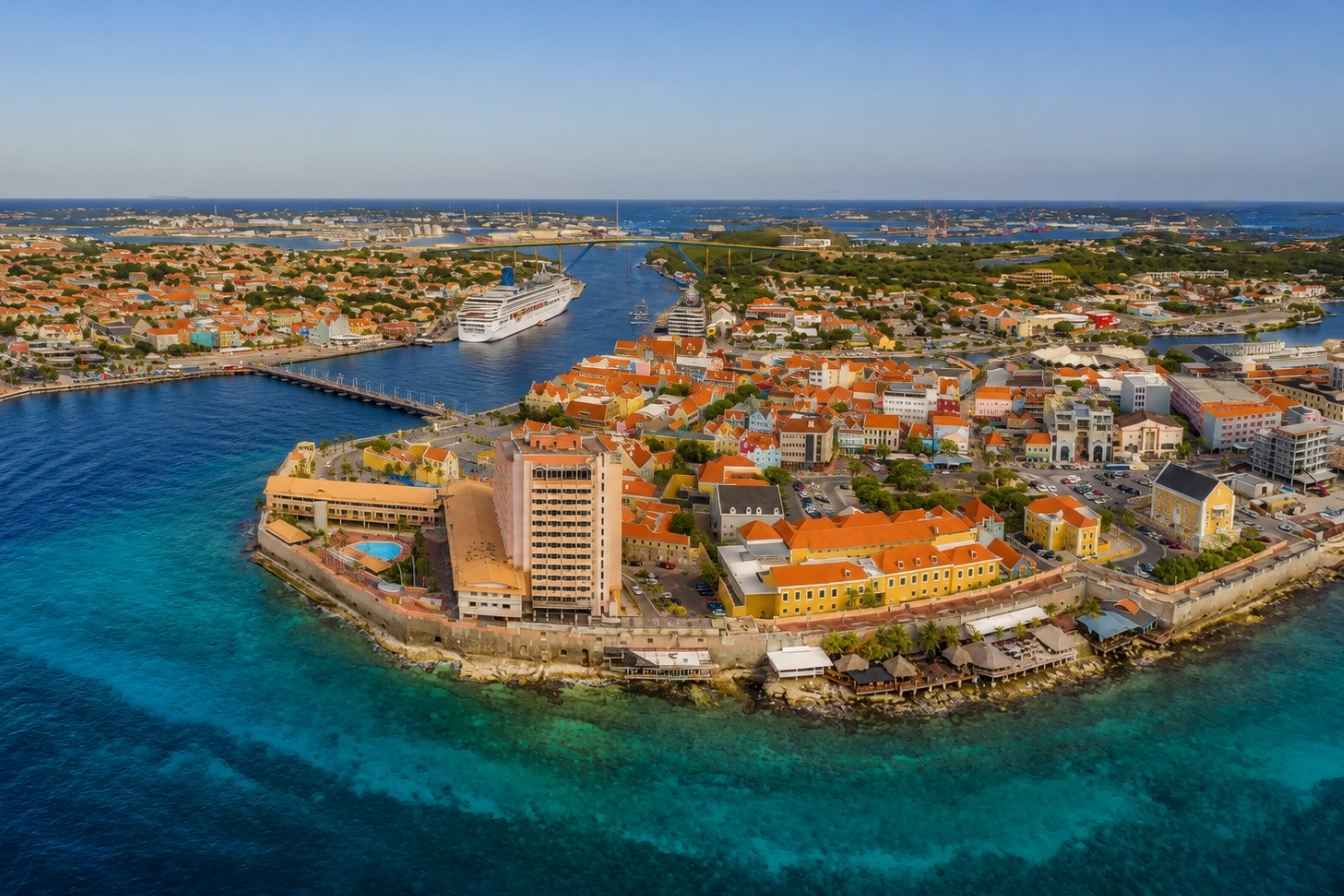
The island is the largest of the ABC trio (Aruba, Bonaire, Curaçao) and sits in the southern Caribbean, roughly 40 miles north of Venezuela. It is compact. You can drive from the resort strip near Willemstad to the far western tip in about an hour, which is what makes a mix-and-match trip so easy here. Morning at a west-coast cove, afternoon in the capital, a boat day slotted in the middle.
What surprises first-timers is how much variety fits into that small footprint. The leeward south and west coasts are sheltered and swimmable, with more than 30 named beaches, many tucked into limestone coves. The windward north coast is the opposite: waves hammer sea caves and blowholes, and turtles nest on protected shores. Between them sits a dry, cactus-studded interior with an old plantation-house heritage and a peak you can hike.
The other thing worth knowing early is the culture. Papiamentu, Dutch, English and Spanish all mix here, food leans on Dutch, African, Caribbean and Latin roots, and the island feels lived-in rather than staged for tourists. That texture is part of the draw. For the honest planning math on stitching it all together, see how many days in Curaçao most visitors actually need.
| Aspect | What to expect |
|---|---|
| Getting around | End-to-end drive about 45-60 minutes; a rental car or guided pickup reaches the far beaches |
| Best water | Sheltered south and west coasts; calm, clear, warm most of the year |
| Signature sight | UNESCO World Heritage Willemstad and the Queen Emma pontoon bridge |
| Signature day trip | The sail to uninhabited Klein Curaçao and its pink lighthouse |
| Crowd level | Busier on cruise days near the port, quieter than many Caribbean rivals overall |
| Languages | Papiamentu and Dutch official; English and Spanish widely spoken |
What are the must-do experiences on the island?
The short list most repeat visitors agree on: a west-coast beach day, at least one snorkel session, a boat trip to Klein Curaçao, a wander through Punda and Otrobanda in Willemstad, and one nature stop such as Shete Boka, Christoffel or the Hato Caves. Slot food and flamingos around those.
Rather than chase everything, group experiences by the half day. Beaches and snorkeling cluster on the west; culture and food sit in the capital; the big nature parks anchor the north and far west. The guided day trips listed at Curaçao Island Tours are built around exactly that geography, with hotel or cruise-port pickup so you skip the logistics.
A sensible first-timer week might spend one day beach-hopping the west coast, one day on the water at Klein Curaçao, a morning in Willemstad with an afternoon snorkel, and a final day split between the Hato Caves, the flamingo salt pans and a north-coast park. That leaves room to slow down, which the island quietly encourages. Nobody leaves Curaçao wishing they had rushed more.
| Experience | Where | Half or full day | Good for |
|---|---|---|---|
| West-coast beach day | Grote Knip, Cas Abao, Playa Lagun | Half to full | Swimming, snorkeling, families |
| Klein Curaçao boat trip | Southeast, by catamaran | Full | Beach lovers, snorkelers |
| Willemstad old town | Punda and Otrobanda | Half | Culture, photos, food |
| Sea turtle snorkel | Playa Piskadó | Half | First-time snorkelers, wildlife |
| Nature and coastline | Shete Boka, Christoffel, Hato Caves | Half to full | Hikers, photographers |
| Flamingo spotting | Salt pans near Jan Kok and Sint Willibrordus | Short stop | Wildlife, easy add-on |
Are the beaches really the main attraction?
Yes. Curaçao's beaches are the reason most people come, and the leeward coast delivers a run of them within a short drive of each other. The classic look is a small cove of white sand framed by cliffs, with calm, clear water and reef close enough to snorkel from shore. No two coves feel the same.
The headline names sit on the west side. The wide cove at Grote Knip is the postcard, a sweep of pale sand and layered blue water backed by low cliffs that people jump from. Just up the road, Kleine Knip is its smaller, shadier sibling. Cas Abao beach adds full facilities, chair rentals and a snack bar behind a calm swimming bay, which is why it lands on so many island tours. For something quieter and dramatic, Playa Lagun is a narrow cliff-walled inlet where turtles often cruise past shore divers.
Snorkelers make a beeline for Playa Piskadó, also called Playa Grandi, where fishermen clean their catch at the pier and green turtles come in to feed almost daily. Down near the capital, Mambo Beach trades coves for a lively boardwalk of bars and restaurants, and Porto Mari puts a healthy double reef within wading distance. The point is that you never have to pick just one; the beaches sit so close that a single day can string three together.
Our full write-up of the best beaches in Curaçao profiles each stretch of coast in detail, from Westpunt down to the Sea Aquarium side, with a comparison of facilities, entry fees and snorkeling at every stop.
| Beach | Coast | Best for | Facilities |
|---|---|---|---|
| Grote Knip | West | Swimming, cliff jumps, photos | Limited, food truck |
| Cas Abao | West | All-round beach day | Full, paid entry |
| Playa Lagun | West | Shore diving, turtles | Basic, small snack bar |
| Playa Piskadó | West | Snorkeling with turtles | Basic, free |
| Porto Mari | West | Double reef, families | Full, paid entry |
| Mambo Beach | South | Bars, easy access | Full, boardwalk |
Is the Klein Curaçao day trip worth it?
For most people, yes. Klein Curaçao is a flat, uninhabited island off the southeast tip with blinding white sand, a candy-pink lighthouse and a half-buried shipwreck. There are almost no facilities and no natural shade, so nearly everyone visits on an organized boat day that brings food, drinks and cover.
The crossing takes a couple of hours by sailing catamaran, longer or shorter depending on the boat and the swell, then you get several hours on the sand before the return. The reward is the kind of empty, glowing beach that is hard to find on the main island. The trade-off is a long day on the water that can get bouncy, so it suits confident swimmers and beach lovers more than anyone prone to seasickness. We lay out the boat options, timing and roughness in our take on whether Klein Curaçao is worth a day trip.
Bring reef-safe sunscreen, a hat and water even though the boats provide lunch, because that sun is relentless with no trees to hide under. Many people rate it the highlight of the week; a few wish they had taken motion-sickness tablets first. If you want it handled end to end, the full-day catamaran cruise to Klein Curaçao pairs the crossing with a BBQ lunch and open bar and at the current listed price, so check the live listing for current pricing and departure days.
Where can you snorkel and swim with sea turtles?
Curaçao is one of the easiest places in the Caribbean to snorkel straight off the sand. Reefs sit close to shore along the sheltered coast, and green turtles gather at Playa Piskadó most mornings. Add Playa Lagun, Tugboat Beach and Porto Mari and you have a full slate of shore snorkeling without a boat.
The turtle encounter is the one people remember. At Playa Piskadó the animals come in to feed near the fishing pier, and on a calm morning you can float quietly and watch them graze. It works for first-time snorkelers because the water is shallow and usually flat. Just keep your distance and never touch or feed them, a point the CARMABI research foundation and local guides stress, since crowding stresses the animals and changes their behavior.
Beyond the turtles, the reefs themselves are the draw. Porto Mari's double reef holds dense fish life, Playa Lagun's calm cove is a gentle introduction, and Tugboat Beach lets you snorkel over a small sunken tug in warm, shallow water. Our guide to the best snorkeling beaches in Curaçao ranks the shore sites by reef quality and ease of entry.
Prefer to have gear, transport and a wildlife stop bundled? The turtle swim paired with Grote Knip beach combines the snorkel with beach time and at the current listed price; check the live listing before you book.
| Snorkel spot | Highlight | Entry | Skill level |
|---|---|---|---|
| Playa Piskadó | Green turtles at the pier | Sandy, easy | Beginner |
| Playa Lagun | Turtles, calm cove | Sandy, easy | Beginner |
| Porto Mari | Double reef, fish life | Sandy, easy | Beginner to intermediate |
| Tugboat Beach | Sunken tug in shallow water | Sandy, easy | Beginner |
What should you see in Willemstad?
Willemstad is the cultural heart of the trip and a UNESCO World Heritage Site. Cross the swinging Queen Emma pontoon bridge between the Punda and Otrobanda districts, photograph the pastel Handelskade waterfront, browse the floating market of Venezuelan traders, and eat your way through the old town.
The colored merchant houses along the Sint Anna Bay are the image the whole island is sold on, and they earned the historic center its listing on the UNESCO World Heritage register in 1997. Punda holds the market, the historic Mikvé Israel-Emanuel synagogue and the shopping lanes; Otrobanda across the water is grittier, muralled and full of small kitchens. A slow half day covers it, and it is genuinely walkable, which the questions travelers ask about the capital keep coming back to.
Time your visit around the pontoon bridge, which swings open for passing ships, and stay for golden hour when the waterfront glows. The Kura Hulanda museum, the fortress walls of Fort Amsterdam and the street art of Otrobanda round out a half day. Our Willemstad walking guide maps Punda and Otrobanda block by block.
To taste the city instead of just photographing it, the guided Willemstad food walk moves from an Otrobanda breakfast kiosk to market stalls, neighborhood soups and fresh fried fish, at the current listed price; check the live listing for what is included.
What are the best nature and adventure things to do?
Away from the beaches, the north and far west turn wild. Shete Boka National Park sends waves booming through limestone blowholes, Christoffel National Park offers the island's hardest hike and best wildlife, and the Hato Caves hold stalactites, bats and old Arawak rock art. Buggy and ATV runs cover the rough tracks in between.
Shete Boka, whose name means seven inlets, is all raw coastline: Boka Tabla's roaring cave and the Boka Pistol blowhole are the crowd-pleasers, and the shore is a protected turtle nesting site. A short drive west, Christoffel National Park climbs to the island's highest point, a steep scramble best done at first light before the heat, with white-tailed deer and iguanas along the trails. The park publishes its opening hours and trail rules, so check before you set out.
For an easier, shaded outing, the Hato Caves run guided tours through warm limestone chambers full of stalactites, small waterfalls and colonies of long-nose bats. The combined caves, flamingos and beach day pairs the caverns with a flamingo stop and free beach time at the current listed price, with hotel pickup included; check the live listing for departure days.
Prefer to reach the hidden coves and cliffs by engine? An ATV beach-hopping run along the west coast threads cactus trails and secret beaches at the current listed price, while an electric-scooter ride around the Caracasbaai peninsula takes in the Love Seat viewpoint and Tugboat Beach at the current listed price; check the live listings for times.
| Site | Draw | Effort | Time needed |
|---|---|---|---|
| Shete Boka National Park | Blowholes, wild surf, turtle nests | Easy walking | 1-2 hours |
| Christoffel National Park | Summit hike, deer, iguanas | Strenuous hike | Half day |
| Hato Caves | Stalactites, bats, rock art | Easy, guided | 1 hour |
| Flamingo salt pans | Wild flamingos at a distance | Very easy | Short stop |
What are the local food and drink worth trying?
Curaçao's kitchen mixes Dutch, African, Caribbean and Latin flavors. Try keshi yena, a stuffed cheese shell; stobá, a hearty stew; funchi, the cornmeal side; and pastechi, the fried breakfast pastry. Wash it down with the island's own bright blue Curaçao liqueur, distilled from a local bitter orange.
Food here is a genuine highlight, not an afterthought. The floating market and the old iron market in Punda serve fresh fish and Creole plates, roadside trucks sell pastechi and batido fruit shakes, and neighborhood snèk bars pour cold beer beside stobá. Sample the traditional Curaçao food across a few stops rather than one big meal, and you will understand the island better for it.
The drink to seek out is the real thing. Genuine Curaçao liqueur is made at the Chobolobo distillery in Willemstad from the dried peel of the laraha, a bitter orange that grew wild on the island. A short tour and tasting there explains why the famous blue color is just food dye over a clear spirit. It is an easy, low-effort add to a city day.
| Dish or drink | What it is | Where to find it |
|---|---|---|
| Keshi yena | Spiced meat baked in a cheese shell | Local restaurants, food tours |
| Stobá | Slow-cooked beef or goat stew | Snèk bars, neighborhood kitchens |
| Funchi and pan bati | Cornmeal side and griddle bread | Served with most local plates |
| Pastechi | Fried pastry with cheese or meat | Breakfast kiosks, roadside trucks |
| Curaçao liqueur | Orange-peel spirit, often blue | Chobolobo distillery, bars |
What should first-time visitors know before arriving?
A few practical basics smooth the trip. US dollars are accepted almost everywhere alongside the local guilder, English is widely spoken, the tap water is safe desalinated seawater, and the island is one of the calmer, safer spots in the Caribbean. Dress is casual, the sun is fierce, and you drive on the right.
Money is easy here. Prices often appear in both the Caribbean guilder and US dollars, and cards work in most restaurants and shops, though small kiosks and beach trucks prefer cash. Tipping runs around 10 to 15 percent, and some bills already add a service charge, so check before you double up.
Language is rarely a barrier. Papiamentu and Dutch are official, but English and Spanish are common, and a friendly greeting goes a long way. The tap water is produced by desalination and is safe to drink, which keeps costs and plastic down. Curaçao is generally a relaxed, safe destination, though the usual sense applies: lock the rental, do not leave valuables on the sand at unstaffed coves, and keep an eye out at night in quiet areas.
The one thing that catches everyone is the sun. It is strong and the trade winds hide how much you are burning, so reef-safe sunscreen, a hat and water are non-negotiable. Beyond that, pack light: this is a shorts, swimsuit and sandals island almost year round.
What can you do on a cruise-ship day in port?
A cruise day gives you roughly five to eight hours, and Curaçao makes that easy because the ship docks a short walk from Willemstad's old town. Most passengers pair a couple of hours in Punda and Otrobanda with either a nearby beach or a quick nature stop, keeping drive times short so nobody misses the all-aboard.
The port sits right beside the historic center, so you can be on the Queen Emma bridge within minutes of stepping off. From there the sensible moves are a taxi or booked excursion to a close beach like Mambo or Cas Abao, or a compact tour that strings together a couple of highlights. We break down the realistic routes, walking times and beach picks in our Curaçao cruise port guide. Whatever you choose on a tight schedule, keep at least a buffer hour for the return, because the far-west beaches are too far for a short port stop.
The smartest port-day moves stay close: the old town on foot, a quick taxi to Mambo or the Sea Aquarium side, or a short guided loop that packs in a couple of highlights. Save Klein Curaçao, Westpunt and Christoffel for a land-based stay, since the long drives and boat times do not fit a ship's window. Play it tight and you can see a lot of the island's character in a single afternoon.
How many days do you need to see it all?
One day is enough for a taste, but three to five days is the sweet spot. That gives you a west-coast beach day, a Klein Curaçao boat trip, a Willemstad day and one nature outing without a rushed itinerary. A full week lets you add diving, more beaches and downtime.
Cruise passengers and short-stay visitors can still hit the headline sights, but the island rewards a slower pace: multiple snorkel sessions, an unhurried dinner in Otrobanda, an early hike before the sun climbs. Your ideal window also depends on weather and crowds, so read up on the best time to visit Curaçao before you lock in dates. For a day-by-day framework, see our full Curaçao itinerary, which builds around the same clusters this guide uses.
How do you get around to all of it?
Two options cover almost everyone: a rental car for total freedom, or booked tours with hotel and cruise-port pickup when you would rather not drive. The island is small and the roads are decent, though rural stretches have potholes and the odd goat, so night driving in the far west takes care.
A car makes sense if you want to chase hidden coves on your own clock. Guided trips make sense when you want the snorkel gear, the local knowledge and the logistics handled, especially for the boat days and the parks. We weigh the real costs and trade-offs in our comparison of a rental car versus a guided tour in Curaçao, and for planning basics the Curaçao Tourist Board is a reliable first stop. Either way, the island's compact size means you are never far from the next thing worth doing.