Curaçao Diving Guide: Wrecks, Reefs and Where to Start
Curaçao is a shore-diving island: healthy house reefs, warm clear water and famous wrecks, most reachable straight from the beach. Start shallow at the Tugboat wreck, work up to the Superior Producer, and add reef sites like Mushroom Forest, Watamula and Playa Kalki as your logbook grows.
Certification and the kind of instruction you need come before choosing a dive site.
Quick Take: Certified divers can compare a guided shore dive; first-timers need an introductory dive with the operator’s screening. Explore Certified Divers’ Shore Dive
What makes Curaçao a good diving destination?
Curaçao pairs easy shore access with warm, clear water and a genuinely varied set of dive sites, from shallow beginner reefs to a deep, current-swept wreck. Coral cover is healthy, the island sits outside the main hurricane belt, and many of the best dives start from a beach rather than a boat.
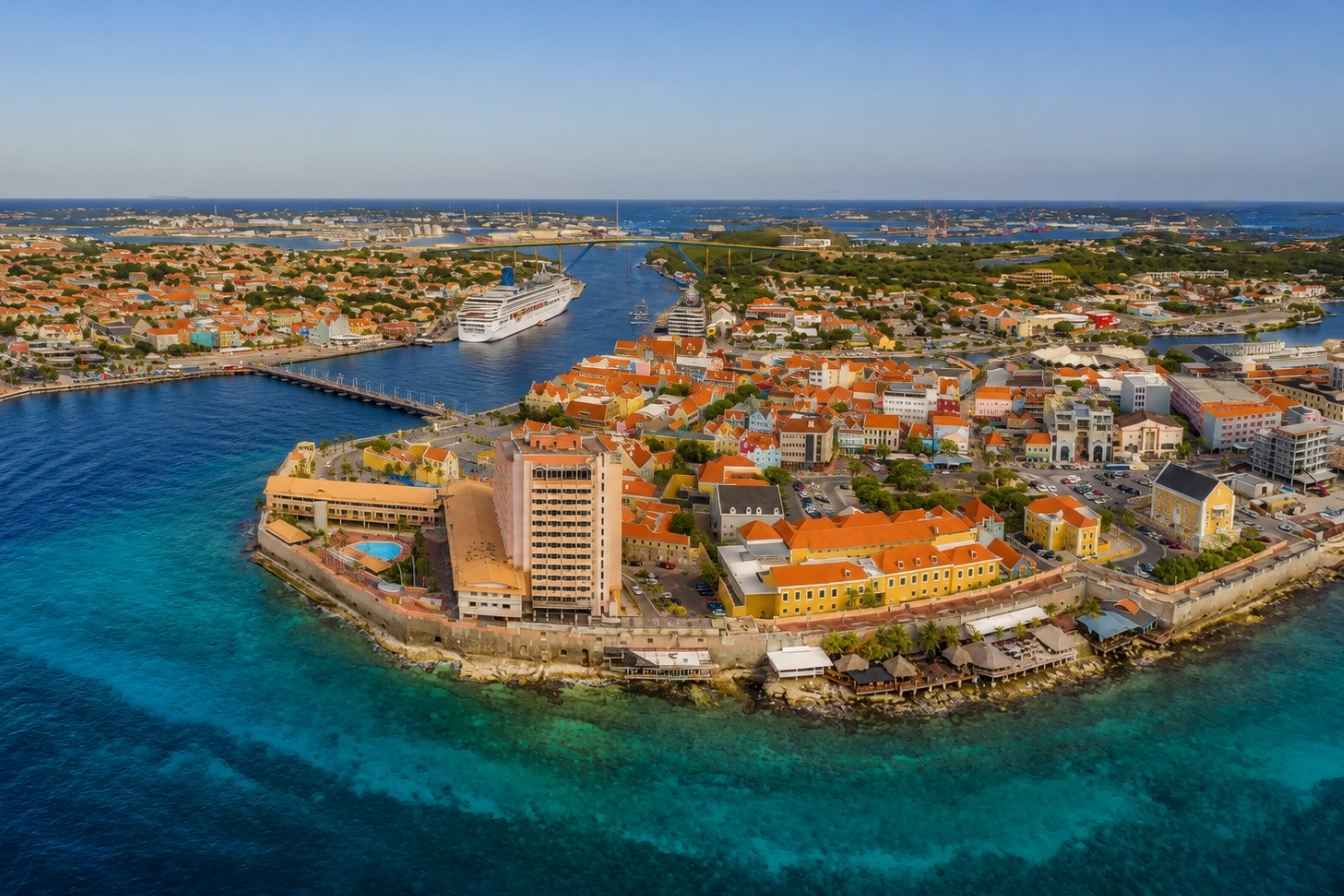
The short version: you get a lot of diving for little friction. House reefs run the length of the leeward coast, so you can gear up on the sand, wade in, and be over coral within minutes. Water temperatures stay warm year-round, visibility is often excellent, and conditions on the sheltered south and west sides are usually calm. Add real wrecks and a few dramatic drift and cave sites and the island covers most of what a diver could want.
There is a conservation backbone to all this. The CARMABI foundation has run marine research and management on Curaçao for decades, and the island has taken steps to protect its coral, which helps explain why reefs so close to a developed shore still look this good. Dive here and you are diving a coast that has been studied and cared for, not just exploited.
What are the best dive sites in Curaçao?
The signature sites are the shallow Tugboat wreck at Caracasbaai, the deep Superior Producer wreck near Willemstad, the coral-mound Mushroom Forest on the west coast, the current-swept Watamula near Westpunt, and Playa Kalki's Alice in Wonderland reef. Together they span beginner to advanced.
These sites are famous for good reason. The Tugboat is a friendly, photogenic shallow dive. The Superior Producer, a cargo ship that sank in 1977, sits deep and upright, draped in coral and often surrounded by schooling fish, and it is one of the Caribbean's most celebrated wreck dives. Mushroom Forest is named for its rounded star-coral formations and usually paired with the nearby Blue Room cave. Watamula, at the island's northwest corner, is a pristine current dive many local divers rate as the best on the island.
| Site | Rough depth | Level | Access | Highlight |
|---|---|---|---|---|
| Tugboat (Caracasbaai) | Shallow, around 5m | Beginner | Shore or boat | Coral-covered tug and reef wall |
| Superior Producer | Around 30m (100ft) | Advanced | Shore or boat | Upright coral-clad wreck, schooling fish |
| Mushroom Forest | Around 10 to 18m | Intermediate | Boat | Mushroom-shaped star coral, Blue Room cave |
| Watamula (Westpunt) | Around 12 to 25m | Advanced (current) | Boat | Pristine reef, drift dive |
| Playa Kalki (Alice in Wonderland) | Around 8 to 25m | Beginner to intermediate | Shore | Sloping double reef, easy entry |
| Blue Room | Shallow cave | Snorkel or intermediate dive | Boat or swim | Blue-lit partly submerged cave |
Depths and conditions vary, and a local dive operator will match the site to your certification and comfort on the day. Several of these sites double as snorkel spots near the surface, which our best snorkeling beaches in Curaçao guide covers, and the Tugboat in particular is a beloved shore snorkel as well as a first shore dive; see the Tugboat Beach guide for the beach itself.
Shore diving vs boat diving: which should you choose?
Shore diving is Curaçao's specialty: cheap, flexible, and available whenever you want it, ideal for the house reefs and the Tugboat. Boat diving is how you reach the sites that shore access cannot, like Mushroom Forest, Watamula and the Blue Room, and it saves you a long surface swim on deeper dives.
Most divers do both. Shore diving lets you dive on your own schedule, repeat a favorite reef, and keep costs down, which is why the island is a shore-diving favorite. The limitation is reach: some of the best coral sits off points and stretches of coast with no easy entry, and that is exactly where a boat earns its place. Boats also add a guide, tanks handled for you, and a shorter, safer path to depth.
| Factor | Shore diving | Boat diving |
|---|---|---|
| Cost | Lower | Higher |
| Flexibility | Dive on your own schedule | Fixed departure times |
| Site range | House reefs, Tugboat, Playa Kalki | Mushroom Forest, Watamula, Blue Room |
| Effort | Carry gear, walk in, surface swim | Gear handled, short descent |
| Best for | Independent, budget-minded divers | Reaching remote or deep sites safely |
If you are staying on the west end near Playa Kalki and Westpunt, shore diving alone can fill a trip, with boat trips out to Watamula and Mushroom Forest as the highlights. Basing near Willemstad puts you closer to the Superior Producer and Caracasbaai. Where you stay shapes the diving, which our Curaçao itinerary and how-many-days guide can help you plan.
Can beginners and non-divers get underwater?
Yes. Dive shops run Discover Scuba and try-dive sessions for people with no certification, using the shallow house reefs. Non-swimmers and children from age ten can join the Aquafari, a helmet-and-scooter experience that needs no scuba skills at all. And the snorkeling here is world-class.
You do not need a certification to get your first look at Curaçao's reef. A Discover Scuba session takes a few hours: a short briefing, shallow-water practice, then a guided dive on an easy reef with an instructor at your side. It is the standard way to find out whether diving is for you before committing to a full course. Many people do their open-water certification here too, given the calm, forgiving shore sites.
For anyone who cannot or would rather not swim, the Aquafari underwater scooter is the accessible option. You wear a sealed helmet that keeps your head dry and supplies air, then ride a jet-propelled scooter along the reef with a guide, no snorkel or scuba experience required. It runs from Boka Sami on the central-west coast, welcomes ages ten and up, and at the current listed price, so check the live listing for current times. It is not scuba, but it puts non-divers face to face with the same fish and coral.
Is diving better in Bonaire or Curaçao?
It depends on the trip you want. Bonaire is the region's shore-diving icon, with marked sites, a strict marine park and famously easy, consistent conditions. Curaçao matches much of that shore access while adding standout wrecks like the Superior Producer and far more to do above the water, so it suits divers who want variety.
This is one of the most common questions divers ask about the ABC islands, and the honest answer is that both are excellent and neither is a mistake. Bonaire has built its whole identity around shore diving; nearly every site is marked with a roadside stone and its reefs are protected top to bottom, which makes for a focused, dive-all-day trip. Curaçao is a bigger, more varied island: strong shore diving, celebrated wrecks, and a full slate of beaches, culture, food and family activities for non-diving hours or non-diving companions.
| Consideration | Bonaire | Curaçao |
|---|---|---|
| Shore diving | Iconic, marked sites everywhere | Excellent, many house reefs |
| Wrecks | Fewer | Superior Producer, Tugboat and more |
| Marine protection | Strict island-wide park | Protected, CARMABI-managed areas |
| Non-diving activities | Quieter, dive-focused | Beaches, Willemstad, food, tours |
| Best for | Divers who want to dive all day | Mixed groups and varied trips |
If everyone in your party dives and diving is the whole point, Bonaire's setup is tough to beat. If you are traveling with non-divers, or you want reefs plus wrecks plus a lively island, Curaçao wins. Some divers hop between the two, since they sit close together. For the wider island comparison beyond diving, see our Curaçao vs Aruba guide.
When is the best time to dive, and how good is the visibility?
You can dive Curaçao year-round. Water stays warm, roughly 26 to 28°C, and visibility is often 20 meters or more on the sheltered south and west coasts. Conditions are calmest away from the occasional windier stretches, and the island's position outside the main hurricane belt keeps the diving reliable.
There is no bad month to dive here, which is a big part of the appeal. The leeward coast, where nearly all the sites are, is protected from the prevailing trade winds, so seas are usually gentle and the water clears quickly. A run of stronger wind can stir things up briefly, and heavy rain can cut visibility near river mouths, but these pass. Most divers find the water comfortable in a shorty or a 3mm wetsuit, and some dive in just a rash guard.
| Condition | Typical |
|---|---|
| Water temperature | Around 26 to 28°C, year-round |
| Visibility (leeward coast) | Often 20 meters or more |
| Sea state | Usually calm on the south and west sides |
| Exposure suit | Shorty or 3mm, sometimes just a rash guard |
| Hurricane risk | Low; the island sits outside the main belt |
Timing your trip is less about diving conditions and more about crowds, prices and the rest of your plans. Our best time to visit Curaçao guide covers the month-by-month picture, including the cruise-season busy stretch, so you can line up good diving with the wider trip you want.
What marine life will you see?
Expect green and hawksbill sea turtles, healthy hard and soft coral, and a full reef cast: parrotfish, angelfish, trumpetfish, moray eels and schooling grunts. The Superior Producer wreck often holds tarpon and dense fish schools, and sharp-eyed divers find seahorses, frogfish and octopus on the house reefs.
Curaçao's reefs are alive in the way divers hope for. Turtles are a regular sight, especially over seagrass and near the turtle beaches. The wrecks act as fish magnets, with the Superior Producer known for silvery tarpon hanging in the current and clouds of smaller fish working the structure. On the reefs themselves, the patient diver is rewarded: a frogfish sitting motionless on a sponge, a seahorse curled around a sea fan, an octopus flushing color in a ledge.
| Marine life | Where you're likely to see it |
|---|---|
| Green and hawksbill turtles | Seagrass beds and near the turtle beaches |
| Tarpon and schooling fish | Around the Superior Producer wreck |
| Seahorses and squid | Playa Lagun's rocky cove |
| Frogfish and octopus | House reefs, for slow and careful divers |
| Parrotfish, angelfish, moray eels | Across the reefs, at all depths |
The macro life is a quiet highlight. Playa Lagun's rocky cove, better known as a snorkel spot, has a reputation among divers for seahorses and squid, and the house reefs generally reward slow, careful diving over fast, cover-ground diving. Whatever you are into, from big wrecks to tiny critters, the coast delivers. Many of these same animals show up in the shallows for snorkelers too, as our snorkeling beaches guide describes.
What gear and certification do you need?
An open-water certification opens most sites; the deep Superior Producer and current dives like Watamula call for advanced experience. Bring your certification card and logbook, rent or bring the rest, and mind the flying-after-diving rule: leave a clear surface interval, generally 18 to 24 hours, before your flight home.
For the everyday house reefs, the Tugboat and Playa Kalki, a basic open-water card and reasonable comfort in the water are enough. Stepping up to the Superior Producer's depth or Watamula's current is where advanced training, good buoyancy and, for the wreck, some deep-dive experience matter. Nitrox is widely available and useful for stringing together several dives a day. Dive shops rent full kit, so you can travel light, though a personal mask and computer are worth bringing.
| Level | Sites within reach | Notes |
|---|---|---|
| None (Discover Scuba) | Shallow house reefs with an instructor | Try-dive, no certification needed |
| Open Water | Tugboat, Playa Kalki, most house reefs | The everyday sites |
| Advanced / deep | Superior Producer, Watamula | Depth and current call for experience |
| Nitrox (any level) | The same sites, longer bottom time | Widely available, handy for multi-dive days |
The safety rule people most often overlook is the surface interval before flying. Because Curaçao is a fly-in destination, plan your last dive so you have a full day, ideally 18 to 24 hours, between surfacing and takeoff, to let dissolved nitrogen off-gas. Build that gap into your itinerary rather than scrambling at the end. Standard sense applies otherwise: dive within your limits, dive with a buddy or guide, and check conditions before you get in.
How do you dive responsibly in Curaçao?
Keep excellent buoyancy so you never touch the reef, take nothing, and wear reef-safe sunscreen. Respect the marine-protected areas, do not chase or handle wildlife, and secure your gear so nothing drags across coral. The reefs are healthy because they are looked after, and every diver shares that job.
Good buoyancy is the single biggest thing you can do for the reef. A fin kick into coral or a dangling gauge dragging across a colony does damage that takes years to regrow. Hover, watch your trim, and clip off anything that hangs. Take only photos, and give turtles and other animals room to behave naturally rather than crowding them for a shot.
On the wider picture, Curaçao's coral sits within areas managed with input from the CARMABI foundation, whose research underpins local conservation, and the Curaçao Tourist Board echoes the same reef-safe, low-impact message. Choosing operators who follow those practices, and following them yourself, is what keeps these sites worth diving. Treat the coast as something to protect and it will keep giving back on every dive.
How do you build a Curaçao dive trip?
Base yourself near the diving you want, west end for Playa Kalki, Watamula and Mushroom Forest, or near Willemstad for the Superior Producer and Caracasbaai. Mix shore dives on your own schedule with a couple of boat trips to the remote sites, and leave non-diving days for beaches, the caves and the old town.
A good week might open with shallow shore dives to settle in, add a Discover Scuba or refresher if needed, then build toward the boat sites and, for the qualified, the Superior Producer. Space the deep and current dives out, keep the flying-after-diving buffer, and treat the surface days as a feature rather than a compromise. Curaçao is one of the few dive destinations where non-diving companions have just as full a trip, from snorkeling with turtles to the Hato Caves and the reefs described across our guides.
The guided shore-dive option below is for certified divers; the introductory option is for those starting scuba. Confirm the site, medical requirements, pickup and flying-after-diving interval with the operator before booking.