Curaçao vs Aruba: Which Island Should You Pick?
Aruba and Curaçao are neighbors, both Dutch, both gorgeous, and travelers agonize over which to pick. The short version: Aruba wins on long, easy beaches and polish, Curaçao wins on coves, culture and shore snorkeling for less money. This guide compares them honestly, category by category.
Picture the days you want to have: cove hopping, city exploring or resort time.
Quick Take: Compare Curaçao’s private cove-hopping day with its city walk and offshore sailing day to see which fits your holiday. Explore Private Western Beach Day
Which island is nicer, Curaçao or Aruba?
Neither is simply nicer; they suit different travelers. Aruba is the polished, resort-heavy choice with long white beaches and reliable sun, easy for first-timers. Curaçao is larger and more varied, with dramatic coves, a genuine UNESCO old town and better shore snorkeling, usually at a lower price. Your ideal island depends on what you want from the week.
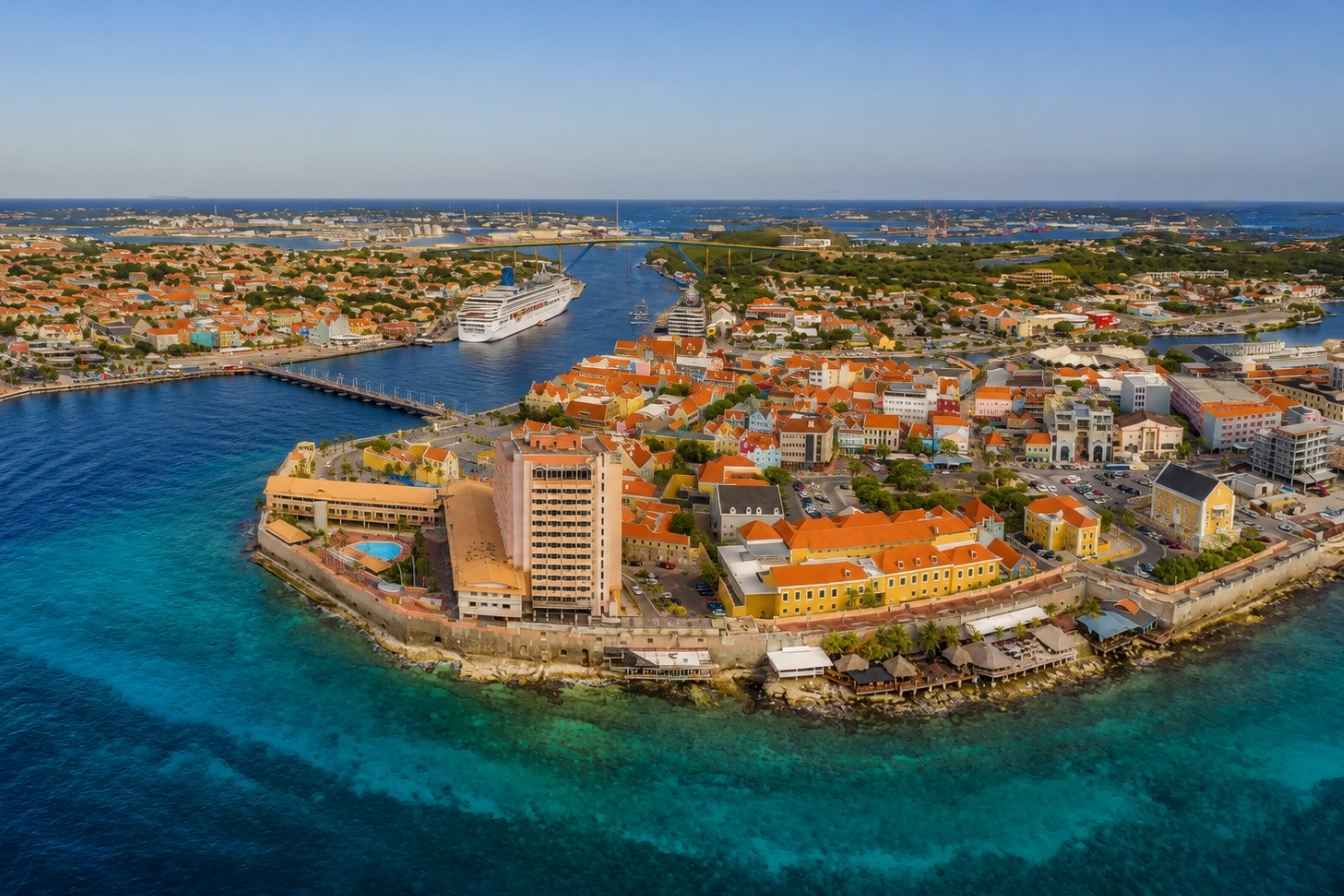
Both belong to the ABC islands off the Venezuelan coast, both are part of the Kingdom of the Netherlands, and both sit below the main hurricane belt with hot, dry, breezy weather. From there they diverge. Aruba concentrates its tourism along a famous beach strip and does the polished-resort experience extremely well.
Curaçao spreads its appeal across coves, culture and reefs, feeling a little more lived-in and local. It is the bigger island, so it takes a touch more effort to see, and it rewards that effort with variety. This comparison walks through each category so you can match an island to your priorities rather than crown a winner, because the honest answer is that both are excellent and the right pick is personal.
Size is the quiet difference underneath all of this. Curaçao is noticeably bigger than Aruba, with more coastline, more beaches and more ground to cover, while Aruba packs its appeal into a smaller, easier-to-see island. That shapes everything downstream: how far you drive, how spread out the crowds feel, and how much variety you can fit into a week.
| Category | Curaçao | Aruba |
|---|---|---|
| Beaches | Cliff-framed coves, varied | Long, wide, continuous sand |
| Snorkeling and diving | Stronger, easy from shore | Good but more limited |
| Culture | UNESCO Willemstad, deeper | Oranjestad, pleasant |
| Crowds | Quieter, more local | Busier, more developed |
| Cost | Generally lower | Generally higher |
| Vibe | Varied, colorful, laid-back | Polished, resort-forward |
How do the beaches compare?
This is the clearest split. Aruba is famous for long, wide, continuous white-sand beaches like Eagle Beach and Palm Beach, ideal for easy strolling and resort loungers. Curaçao's beaches are smaller cliff-framed coves, more scenic and varied but shorter, with the trade-off of more character and better snorkeling.
If your dream is an uninterrupted sweep of powder sand fronting your hotel, Aruba delivers that better, and its calm leeward beaches are consistently gentle and easy to reach. If you would rather hop between distinct little bays, each with its own cliffs, reef and mood, Curaçao is your island: Grote Knip, Cas Abao, Playa Lagun and the Westpunt coves are all different from one another.
Curaçao also has the uninhabited Klein Curaçao off its southeast tip, a boat-only island of blinding sand that has no equal on Aruba. That day sail is one of Curaçao's signature experiences. A day sail to Klein Curaçao at the current listed price, so check the live listing for schedules.
| Beach factor | Curaçao | Aruba |
|---|---|---|
| Beach shape | Small coves, cliffs | Long, wide, continuous |
| Signature beaches | Grote Knip, Cas Abao, Klein Curaçao | Eagle Beach, Palm Beach |
| Facilities on sand | Mixed, some free coves | Extensive, resort-lined |
| Best for | Beach-hopping, scenery | Long strolls, resort life |
Which island has better snorkeling and diving?
Curaçao generally edges it for snorkeling and diving. Its sheltered leeward coast has reefs close to shore that you can reach without a boat, plus easy wreck snorkeling and famous shore-diving sites. Aruba has good spots too, but its underwater draw is narrower and more boat-dependent, with the Antilla wreck as the headliner.
On Curaçao you can walk into the water at Playa Lagun, Porto Mari or Tugboat Beach and be over reef or a wreck within minutes, and green turtles gather at Playa Piskadó. The island is a shore-diving favorite, with sites strung along the coast and reef research led by the CARMABI foundation.
Aruba's snorkeling clusters around Boca Catalina and Malmok and the sunken Antilla, often reached by tour boat, and its windier windward side limits shore entries. Neither island disappoints underwater, but if reef time is central to your trip, Curaçao's ease of access is the deciding factor. Our guide to diving in Curaçao covers the wrecks and walls in detail, and nearby Bonaire is the region's diving legend if that is your whole reason to travel. If shore access and variety matter more than one famous site, Curaçao is the pick: you can dive straight off the beach at dozens of marked entries without booking a boat, and beginners find the calm leeward reefs an easy place to learn.
Which island is more crowded and developed?
Aruba is the busier, more developed of the two, with a dense high-rise resort strip along Palm Beach and heavy US tourist traffic. Curaçao is larger and feels more spread out and local, so crowds thin quickly once you leave the cruise port and the closest beaches. For a quieter, less packaged feel, Curaçao wins.
Aruba's tourism is concentrated and highly polished, which many travelers love: everything is close, easy and geared to visitors, with a wide choice of restaurants and nightlife along the strip. The flip side is that the main beach areas can feel dense in high season.
Curaçao's attractions sit farther apart across a bigger island, so even on a busy cruise day you can drive 20 minutes and find a near-empty cove. Neither is unpleasantly crowded by Caribbean standards, but the character differs: Aruba is a resort destination you settle into, Curaçao a more varied island you go out and explore.
Families notice this contrast too. Curaçao's caves, sea aquarium, turtle beaches and easy snorkeling give kids a varied menu spread across the island, while Aruba keeps its family attractions and gentle beaches closer together near the resorts. Both keep children happy for a week; the difference is whether you would rather stay put or roam. Roamers lean Curaçao, homebodies lean Aruba.
Timing changes the picture on both islands. Peak winter and cruise days fill Aruba's beach strip and Curaçao's old town alike, while the shoulder and low seasons quiet things down everywhere. If crowd-avoidance is your priority, Curaçao gives you more room to escape simply because it is larger and its sights are spread out, but neither island feels overrun once you step away from the busiest hubs.
Which island is cheaper?
Curaçao is generally the better value. Hotels, dining and tours tend to run lower than Aruba's, which sits at the pricier end of the Caribbean thanks to its heavy resort demand. Neither island is a budget destination, but the same trip usually costs less on Curaçao, especially outside the winter peak.
Aruba's popularity, particularly with US travelers, keeps its resort and restaurant prices high, and the beachfront high-rises command a premium. Curaçao offers a wider spread of accommodation, from boutique stays to larger resorts, and its restaurants and excursions tend to cost less.
Add the free public coves and the softer airfare in shoulder months, and a Curaçao week stretches further. If value matters, that gap can be the deciding vote. For when to find the best rates, see our guide to the best time to visit Curaçao, which maps the cheapest months.
One cost line does run the other way: getting around. Curaçao is larger, so a rental car or booked tours matter more for reaching the far beaches, which adds to the budget. Aruba is compact enough that many visitors barely leave the resort strip, trimming transport costs. Balanced against Curaçao's cheaper hotels, dining and free beaches, the overall total still tends to land lower on Curaçao for a comparable trip.
| Cost factor | Curaçao | Aruba |
|---|---|---|
| Hotels | Wider range, often lower | Higher, resort-driven |
| Dining | Generally cheaper | Pricier on the strip |
| Beaches | Several free coves | Public but resort-lined |
| Overall value | Stronger | Premium |
Which has more culture and history?
Curaçao has the deeper cultural draw. Its capital, Willemstad, is a UNESCO World Heritage Site, with the pastel Handelskade waterfront, the Queen Emma pontoon bridge and centuries of trading history in Punda and Otrobanda. Aruba's Oranjestad is charming and colorful but smaller in historic scope.
Willemstad's old town is a genuine sightseeing destination in its own right, not just a shopping stop, and its listing on the UNESCO World Heritage register reflects that. You get museums, one of the oldest synagogues in the Americas, a floating market and a food culture worth a whole tour.
Aruba offers a pleasant, walkable capital with its own Dutch color, good shopping and a fun street-party scene, but less historic depth. Both islands share the Papiamento language and a Dutch-Caribbean heritage, yet Curaçao wears its history more visibly. If culture and old-town wandering matter to you, Curaçao is the richer choice. A Willemstad tasting walk, at the current listed price, digs into that heritage; check the live listing.
The historic depth shows in the details. Curaçao's old town layers centuries of merchant, maritime and Jewish heritage into its streets, museums and forts, and the pastel houses were painted, by local legend, on a governor's orders to spare his eyes the tropical glare. Aruba tells its own story well, leaning on Arawak roots and its oil-era growth, but on a smaller canvas than Willemstad's living old quarter.
How do you get to each island, and how far apart are they?
Both have international airports with direct flights from the US and from Amsterdam, so access is easy either way. Aruba's Queen Beatrix airport handles the heavier US traffic, while Curaçao's Hato airport is well connected too. The islands sit only about 80 km apart, roughly a 25 to 30 minute hop by regional flight.
From the US, both islands see direct service from Miami and other hubs, with Aruba generally offering the greater number of nonstop US routes given its popularity. From Europe, KLM connects Amsterdam to each. That proximity is what makes combining them realistic: a short regional flight links the ABC islands, so you can split a trip without a big travel day.
For deeper planning on either island, national tourism bodies are the most reliable primary sources: the Curaçao Tourist Board for Curaçao, and the official Aruba Tourism Authority for Aruba. Both publish current entry, event and transport details.
| Access factor | Curaçao | Aruba |
|---|---|---|
| Main airport | Hato (CUR) | Queen Beatrix (AUA) |
| Direct US flights | Several hubs, Miami and more | Many, heaviest US network |
| From Amsterdam | Direct with KLM | Direct with KLM |
| Between the two | About 80 km | 25 to 30 min regional flight |
Do Aruba and Curaçao have the same weather?
Close to it. Both are hot, dry and breezy year round, and both sit below the main hurricane belt, so direct storm strikes are rare on either. Aruba is a touch flatter, drier and windier, which is why Palm Beach is a windsurfing magnet. Curaçao sees marginally more rain in the autumn but stays just as reliably sunny overall.
For a sun-certain trip, you cannot really go wrong between them. The constant trade winds keep both islands comfortable despite the heat and take much of the sting out of the strong Caribbean light, though that same wind hides how fast you burn. Aruba's steadier, stronger wind makes its leeward beaches a favorite for windsurfing and kitesurfing, while Curaçao's slightly more sheltered coves suit calm swimming and shore snorkeling.
The rainy pattern is similar on both, concentrated in the last months of the year and usually arriving as short showers rather than washouts. Neither island's weather should decide the trip, since both deliver dependable sun. What tips the scale is everything else: beaches, culture, cost and the kind of days you want to string together. For the month-by-month detail on the Curaçao side, see our guide to the best time to visit Curaçao.
How do they compare for cruise visitors?
Both are major cruise ports with the dock right beside the capital, so a walkable old town is steps away in each. Curaçao's port opens straight onto UNESCO Willemstad, while Aruba's puts you in the heart of Oranjestad's shops. For a port day, both deliver an easy walk plus quick access to beaches and tours.
On a Curaçao cruise day you cross the Queen Emma bridge within minutes and can pair the old town with a nearby beach or a compact highlights tour. Aruba's port similarly drops you into central Oranjestad with beaches a short ride away.
The deciding factor for a single port day often comes down to your ship's itinerary rather than a big gap between the islands. Our Curaçao cruise port guide lays out the walking routes and beach picks if Curaçao is your stop, and a caves-and-flamingos highlights loop at the current listed price suits a tight schedule.
Who does each island suit best?
Aruba suits first-timers, beach-and-resort travelers and anyone who wants everything close and effortless. Curaçao suits explorers, snorkelers and divers, culture lovers and value-minded travelers who enjoy a bit of variety. Both work for couples and families; the difference is style, not quality.
Think about how you like to travel. If your ideal day is a lounger, a swim and a short walk to dinner, Aruba's polished setup fits. If your ideal day is chasing a new cove, snorkeling a reef and wandering an old town at dusk, Curaçao fits. Families do well on both, with Curaçao's calm coves and easy snorkeling appealing to kids and Aruba's continuous beaches making longer stays simple.
| Traveler type | Better fit | Why |
|---|---|---|
| First-timers | Aruba | Everything close, easy and polished |
| Snorkelers and divers | Curaçao | Reefs and wrecks straight off the sand |
| Culture lovers | Curaçao | UNESCO Willemstad and museums |
| Beach-and-resort travelers | Aruba | Long continuous sand, resort strip |
| Value seekers | Curaçao | Lower costs, free coves |
What is there to do beyond the beach on each island?
Both islands offer more than sand, but they lean different ways. Curaçao has the deeper nature and culture menu: national parks, sea caves, a UNESCO old town, shore diving and a flamingo sanctuary. Aruba counters with iconic desert landscapes, the Arikok National Park, natural pools and a polished shopping and tour scene built for easy days out.
On Curaçao the off-beach highlights are genuine destinations. Shete Boka National Park's blowholes, the summit hike in Christoffel National Park, the Hato Caves, the salt-pan flamingos and the reefs and wrecks off the leeward coast fill several days on their own, and Willemstad's historic core adds a cultural anchor few Caribbean capitals match.
Aruba's interior is drier and more moonscape-like, and its Arikok National Park protects a rugged coast of dunes, caves and a famous natural pool reached by rough track or tour. The island also does organized excursions, from UTV runs to catamaran sails, extremely smoothly. So both reward travelers who look past the beach; Curaçao tilts toward varied nature and history, Aruba toward polished adventure and desert scenery.
How do dining, nightlife and shopping compare?
Aruba has the edge for concentrated dining, nightlife and shopping, with a dense strip of restaurants, bars, casinos and malls near the resorts. Curaçao's scene is more spread out and local in feel, with strong Creole and international food in Willemstad and Pietermaai, a lively but lower-key nightlife, and less mall-style shopping.
If you want everything within a short walk of your hotel, plus casinos and a busy after-dark scene, Aruba delivers that in one tidy package along the high-rise strip. It is built for visitors who like their options close and their evenings easy.
Curaçao trades some of that convenience for character. The restored Pietermaai district near Willemstad has become a stylish cluster of restaurants and bars, the old town serves everything from market plates to fine dining, and the nightlife leans toward beach clubs and neighborhood spots rather than a single strip. For food with a strong sense of place, Curaçao is hard to beat, which is part of why a tasting tour of the capital is such a rewarding way to spend a morning.
How does the overall vibe and pace differ?
Aruba feels like a polished, all-in-one beach resort destination: easy, upbeat and geared to visitors, with everything close at hand. Curaçao feels more like a real, varied island you explore, more local and colorful, a little more effort and a lot more texture. Aruba is relax-in-place; Curaçao is get-out-and-discover.
Neither vibe is better, they just attract different moods. Travelers who want a stress-free, everything-handled week of beach and resort life tend to love Aruba's ease and its long, gentle beaches. Travelers who want to poke around coves, snorkel new reefs, wander a historic port and eat where locals eat tend to fall for Curaçao's variety.
Both are safe, friendly, Dutch-Caribbean islands with warm, dry weather and beautiful water, so you will have a great trip on either. The choice is about the style of holiday you are after, not about one island being a downgrade. Match the vibe to your group, and you will pick right.
If you genuinely cannot decide, a simple default works: lean Curaçao for a first, varied Caribbean trip that mixes beaches, culture and reefs, and lean Aruba for a pure beach-and-resort week where everything is handled. Either way you have chosen a beautiful, safe, sun-drenched island, and very few travelers walk away regretting the pick.
Should you choose Curaçao or Aruba, and can you do both?
Choose Aruba for long, easy beaches, polished resorts and a first-timer-friendly week. Choose Curaçao for varied coves, richer culture, better shore snorkeling and lower prices. And yes, you can do both: the islands are a short hop apart by regional flight, so an island-hopping trip pairs them neatly, often with Bonaire added for diving.
Think about the trip you actually want. If it is beach lounging fronting a resort with everything handled, Aruba fits. If it is a mix of beaches, boat days, an old town and reefs to explore on a friendlier budget, Curaçao fits.
Travelers torn between them sometimes split a longer holiday across two islands, since short flights connect the ABC trio. For the full picture of what a Curaçao week holds, see our overview of things to do in Curaçao, and the guided Curaçao tours we list cover the coves, culture and boat days once you land.
| Pick this island if you want | Best fit |
|---|---|
| Long, continuous sandy beaches | Aruba |
| Polished resorts, first-timer ease | Aruba |
| Cliff-framed coves and variety | Curaçao |
| Shore snorkeling and diving | Curaçao |
| UNESCO culture and history | Curaçao |
| Lower overall cost | Curaçao |