Traditional Curaçao Food Guide: Keshi Yena, Stobá and Funchi
Curaçao's national dish is a hollowed wheel of Dutch cheese stuffed with spiced meat and baked, a plate that carries the island's whole history in one bite. Around it sit hearty stews, cornmeal sides, fried turnovers and market kitchens where local cooks still serve the real thing.
Tasting menus vary; choose around the foods you can eat and the experience you want.
Quick Take: The four-stop food outing connects breakfast, market cooking, stew and fresh fish; dishes vary with the day. Explore Curaçao Food Tour
Ask a local what Curaçao tastes like and you will hear one word first: keshi yena. A wheel of imported Dutch cheese, hollowed out and packed with spiced stewed meat, then baked until the shell softens over the filling. It is delicious, and it is also a small history lesson, born from making something rich out of what the colonial kitchen threw away.
That mix of thrift, African technique, Dutch ingredients and Latin American spice runs through the whole cuisine. This guide walks the plate: the signature dishes, the stews and sides, the street food, the market kitchens where you eat them, and the cultures that shaped every bite. Learn the names here and you will order like you know the island.
What is Curaçao's famous food?
Curaçao's most famous dish is keshi yena, a whole Edam or Gouda cheese shell stuffed with spiced meat, raisins, olives and capers, then baked. Around it, the classics are stobá (a slow stew, often goat), funchi (a cornmeal side like polenta), pastechi (a fried turnover), and fresh local fish. The flavors blend African, Dutch, Portuguese-Jewish and Latin American roots.
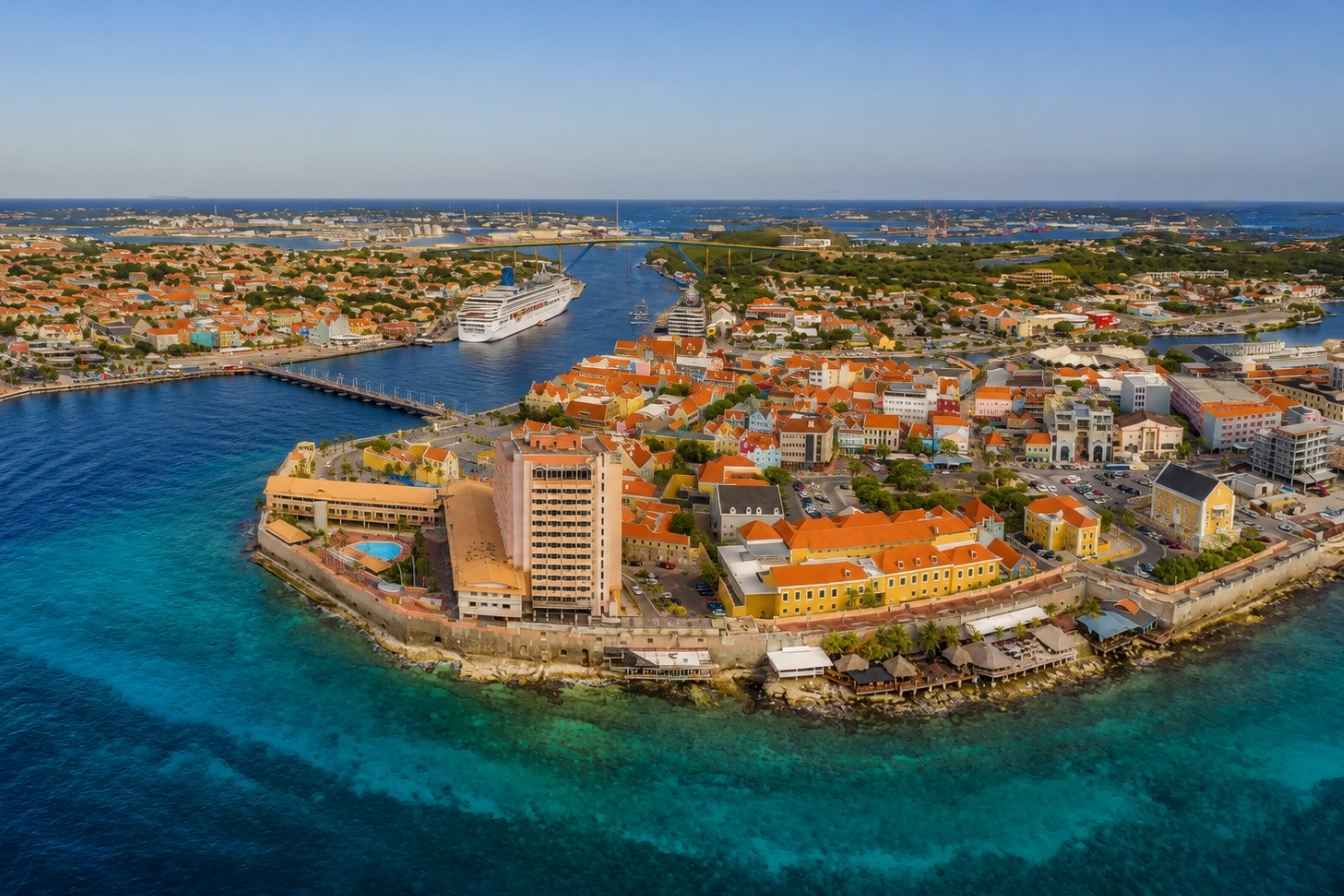
If keshi yena is the headline, the everyday plate is a stew with a cornmeal side and a fried snack somewhere along the way. This is comfort food built for a hot climate and a working island, filling, spiced, and rooted in what could be grown, caught, or imported cheaply.
The best way to meet all of it in one sitting is a guided tasting through the markets and neighborhood kitchens, where the dishes are made the traditional way rather than adapted for tourists. Our things to do in Curaçao roundup places the food scene alongside the beaches and the city, if you are still shaping the trip.
What ties the whole cuisine together is the balance of sweet and savory, and a fondness for the slow-cooked. Sugar, dried fruit and a little spice find their way into savory dishes as often as not, a habit inherited from several of the cultures that shaped the island. Once you notice it in keshi yena, you start tasting it everywhere, in the glazed edge of a stew, the sweetness of a pan bati, the raisins tucked into a rice dish.
| Dish | What it is | Where to try it |
|---|---|---|
| Keshi yena | Stuffed baked cheese, the national dish | Market kitchens, traditional restaurants |
| Stobá | Slow stew, often goat or beef | Plasa Bieu, home-style eateries |
| Funchi | Cornmeal side, like polenta | Alongside almost any stew |
| Pastechi | Fried turnover, cheese or meat | Snack bars, bakeries, breakfast stops |
| Fresh fish (piska) | Snapper, wahoo, grilled or fried | Fishing villages, waterfront cooks |
What is keshi yena?
Keshi yena means filled cheese in Papiamentu. It is a shell of Edam or Gouda, hollowed and lined with cheese, then stuffed with spiced meat, usually chicken, mixed with raisins, olives, capers and prunes, and baked until set. The result is savory and slightly sweet at once. It is widely traced to enslaved cooks using the leftover cheese rinds from Dutch households.
The dish is a study in contrast: salty melted cheese against a sweet-savory filling of dried fruit and briny olives, the sort of combination that sounds odd and tastes right. Modern versions are often baked in a dish rather than a whole cheese wheel, but the flavor stays true, and the best kitchens still form it in the round.
Its origin is the reason it matters beyond the plate. When wealthy Dutch households finished a wheel of imported cheese, the emptied rind went to the kitchen staff, who filled it with seasoned meat and baked it into something far greater than the scraps. That resourcefulness is the heart of the whole cuisine.
Ordering it well is easy once you know the tells. A kitchen that bakes the filling inside a real cheese shell, rather than layering grated cheese in a dish, is usually taking the tradition seriously, and the chicken version tends to be the most authentic starting point. It arrives rich, so a plain funchi and a sharp side salad are the classic partners that keep the plate from feeling heavy.
| Keshi yena element | Detail |
|---|---|
| Shell | Edam or Gouda cheese, hollowed |
| Filling | Spiced chicken or beef, often shredded |
| Sweet-savory add-ins | Raisins, prunes, olives, capers |
| Method | Baked until the cheese sets over the filling |
| Origin story | Enslaved cooks reusing Dutch cheese rinds |
What is stobá, and which stews should you try?
Stobá is the island's everyday stew, meat or vegetables slow-cooked in a rich, spiced tomato-based sauce. The classic is stobá di kabritu, goat stew, prized for its deep flavor, with beef (karni stobá) and chicken versions common too. You will also meet hearty soups: sopi mondongo (tripe soup) and sopi piska (fish soup) among them.
Goat is the stew to seek out. Kabritu stobá simmers for hours until the meat falls apart in a sauce thick with onion, tomato, sweet pepper and island spices, served over rice or with funchi to soak it up. It is the dish that most often turns up at a family Sunday table and at the market kitchens.
Soups deserve equal billing. Curaçaoans take their sopi seriously, from the rib-sticking tripe of sopi mondongo to the clean fish broth of sopi piska, and even the traditional iguana soup, sopi yuana, still eaten by some and reputed locally to be restorative. These are the dishes a good guided Willemstad food tour through the markets puts in front of you with the backstory attached.
Seasonality and thrift still shape the pot. Older recipes use every part of the animal, which is how tripe soup and oxtail stew earned their place, and the deep flavor comes from long, patient cooking rather than a long list of ingredients. If you see kadushi on a menu, that is a soup made from the local cactus, slippery like okra and genuinely traditional, one of the more surprising things you can eat on the island.
| Stew or soup | What it is | Notes |
|---|---|---|
| Stobá di kabritu | Goat stew in spiced tomato sauce | The classic, served with funchi or rice |
| Karni stobá | Beef stew | Milder, widely available |
| Sopi mondongo | Tripe soup | Hearty, traditional weekend dish |
| Sopi piska | Fish soup | Clean broth, fresh catch |
| Sopi yuana | Iguana soup | Traditional, reputed to be restorative |
What is funchi, and what else is on the plate?
Funchi is a cornmeal side, close to Italian polenta, made from maize cooked to a firm mash and sometimes fried into golden sticks. It soaks up stew perfectly. Alongside it you will find pan bati (a pan-fried cornmeal flatbread), tutu (a cornmeal and black-eyed pea mash), and starchy staples like batata (sweet potato) and plantain.
These sides are the backbone of a Curaçao plate. Funchi is the most common, plain and firm to mop up sauce, or fried crisp as funchi sticks that make an addictive snack. Pan bati, its name meaning beaten bread, is a slightly sweet cornmeal pancake that plays the same supporting role.
Corn and root vegetables carry the meal because they grew well on a dry island and stretched a little protein a long way. Tutu, mixing cornmeal with beans and sometimes sugar, and simple boiled batata round out a plate that is designed to fill and sustain rather than dazzle, the honest half of the cuisine.
These sides also explain why a Curaçao plate feels so satisfying for the price. Corn and root vegetables are cheap, filling and endlessly adaptable, so a small portion of stewed meat goes a long way once it is served over funchi or beside a stack of pan bati. It is peasant cooking in the best sense, built to feed a working household well without waste, and it has aged into comfort food locals still make at home.
| Side | What it is | Pairs with |
|---|---|---|
| Funchi | Cornmeal mash, like polenta, plain or fried | Any stew, or as fried sticks |
| Pan bati | Beaten cornmeal flatbread, lightly sweet | Stews and grilled meat |
| Tutu | Cornmeal and black-eyed pea mash | Fish and stewed dishes |
| Batata | Boiled sweet potato | Everyday plates |
What is a pastechi, and where do you get one?
A pastechi is a deep-fried turnover of light, slightly sweet dough folded around a filling, most often cheese (keshi), spiced meat, or tuna. It is the island's favorite breakfast and anytime snack, sold hot from snack bars, bakeries and roadside kiosks. Order one filled with Gouda for the true local start to the day.
Do not confuse it with an empanada. The pastechi dough is richer and puffier, frying up into a crisp, golden shell around a molten filling, and Curaçaoans eat them constantly, on the way to work, after a night out, or handed over a market counter with a coffee.
The cheese version is the benchmark, oozing Gouda inside a shatteringly crisp crust, though the ham-and-cheese and spiced-meat fillings have their fans too. Cheap, quick and everywhere, a pastechi is the easiest traditional bite to try the moment you land, no reservation required.
Timing is everything with a pastechi. They are at their best straight from the fryer, when the crust shatters and the cheese pulls, and a good snack bar sells them fast enough that the batch is always fresh. Locals grab them for breakfast with a strong coffee, so an early stop at a busy kiosk, where the queue tells you the pastries are moving, is the surest way to taste one at its peak.
| Pastechi filling | Taste | Best for |
|---|---|---|
| Keshi (Gouda cheese) | Rich, molten, mildly salty | The classic first try |
| Karni (spiced meat) | Savory and seasoned | A more filling snack |
| Tuna | Light and briny | A lunchtime option |
| Ham and cheese | Salty, familiar | Easy crowd-pleaser |
What sweets and snacks should you try?
Save room for arepa di pampuna, sweet pumpkin fritters dusted with sugar; bolo pretu, a dense dark rum-soaked fruit cake served at celebrations; kokada, chewy coconut candy; and pan dushi, sweet bread. These treats lean on pumpkin, coconut, cornmeal and plenty of sugar, and turn up at markets, bakeries and family tables across the island.
Arepa di pampuna is the one to hunt down: small, fried pumpkin pancakes, crisp at the edges and sweet through the middle, eaten for breakfast or as a snack. They are a floating-market and home-kitchen staple, and unmistakably Curaçaoan.
For a taste of celebration, bolo pretu is the black cake of weddings and holidays, dark with molasses and dried fruit steeped in rum, dense and intense. Alongside coconut kokada and various sweet breads, the island's baking tradition is as worth exploring as its stews.
Sweets are where the Dutch and Latin threads show most clearly. You will find crisp Dutch-style cookies and stroopwafels beside tropical treats built on coconut, pumpkin and cornmeal, a split personality that fits the island exactly. Ask at a bakery what came out that morning, since the best of these are made in small daily batches and gone by afternoon, and a warm arepa di pampuna eaten on the spot beats any packaged version.
Where do locals actually eat: Plasa Bieu and the markets
The most authentic traditional food is served at Plasa Bieu, the Old Market in Willemstad's Punda district, a covered hall where local cooks dish out stews, fish, funchi and keshi yena at lunchtime. Fishing villages and roadside kitchens across the island serve the same home-style plates. This is where you eat what Curaçaoans eat, not a resort version.
Plasa Bieu, also called Marshe Bieu, is the beating heart of everyday Curaçao food. Under one roof, cooks tend open kitchens and communal tables, and you point at what looks good: goat stew, fried fish, sopi, all with a mound of funchi. It is busy, cheap, and unforgettable, best at midday when the food is freshest.
Beyond the market, the island's fishing communities serve just-caught fish straight from the water, and simple neighborhood spots keep the stew tradition alive. A half-day food tour connects these dots, from the Old Market to a fisherman's waterfront table, and pairs naturally with our Willemstad walking guide for the sights in between.
Eating at Plasa Bieu has its own easy etiquette. Walk the row of open kitchens first to see what each is cooking, pick the one that smells right and looks busy with locals, then order and share a table with whoever is there. Portions are generous and prices are low, cash is king, and midweek lunchtime is the sweet spot, when the food is freshest and the hall hums without tipping into the cruise-day crush.
| Where to eat traditional | What you get | When |
|---|---|---|
| Plasa Bieu (Old Market) | Stews, fish, funchi, keshi yena | Lunchtime, busiest and freshest |
| Fishing villages | Just-caught fried and grilled fish | Midday to afternoon |
| Neighborhood eateries | Home-style stobá and sopi | Lunch, some dinner |
| Snack bars and bakeries | Pastechi and sweet treats | Breakfast and all day |
Why does Curaçao food taste like this? The influences
Curaçao's cuisine is a layering of cultures. African cooks brought the stewing techniques and thrift behind dishes like keshi yena; the Dutch brought the cheese, salted cod and hearty snacks; Sephardic Jewish and Portuguese settlers added their own touches; and Venezuela, just miles away, brought arepas, corn and Latin spice. The result is unlike anywhere else in the Caribbean.
Each layer is still visible on the plate. The African contribution is the foundation, the slow stews, the funchi and tutu built on corn and beans, and the genius of turning a discarded cheese rind into a national dish. Dutch colonial trade explains the Gouda and Edam, the salted cod, and snack-bar bites with Dutch cousins.
Geography did the rest. Venezuelan boats have sold produce at the Willemstad floating market for generations, threading arepas and Latin flavors into daily eating, while Portuguese and Sephardic Jewish communities, among the island's oldest, left their own marks. To drink it all down, see our Curaçao liqueur and Chobolobo distillery guide.
A quieter thread runs through it all from the East Indies. Because Curaçao shares a colonial past with the Netherlands and its former colonies, Indonesian and Surinamese flavors turned up here too, and dishes like saté with peanut sauce or a fragrant rice feel entirely at home on a local menu. The Curaçao Tourist Board describes the island's food as one of the Caribbean's true crossroads, and a day of eating quickly proves the point.
| Influence | What it brought |
|---|---|
| African | Stewing methods, funchi, tutu, keshi yena's resourcefulness |
| Dutch | Gouda and Edam cheese, salted cod, fried snacks |
| Sephardic Jewish and Portuguese | Baking and spice traditions |
| Venezuelan and Latin American | Arepas, corn, fresh produce, spice |
What should you drink with a Curaçao meal?
Wash it down with awa di lamunchi, a tart local limeade, or a fresh fruit batido (smoothie). For something stronger, the light Amstel Bright lager is the island's everyday beer, and the famous blue Curaçao liqueur, distilled from the peel of the island's own laraha oranges, is the signature spirit, best sampled where it is made.
Everyday drinks lean fresh and cooling for the climate. Awa di lamunchi, a simple lime drink, appears on every traditional table, and thick fruit batidos made from whatever is ripe are a market favorite. Both cut through a rich plate of stew and funchi.
For the island's spirit, the blue liqueur is the obvious souvenir, distilled from the dried peel of the bitter laraha orange that grows only here. Tasting it at the source, at the historic Chobolobo distillery, is a small ritual worth adding to a food-focused trip. When you are ready to build the days around eating and drinking well, the guided Curaçao tours we list can handle the transport between markets, distillery and coast.
Coffee and cacao deserve a mention among the drinks. Strong, small coffees fuel the pastechi habit, and thick hot chocolate turns up on cooler evenings and at breakfast, a nod to the cacao trade that once passed through these harbors. Whatever you order, the pattern holds: sweet meets savory, imported meets homegrown, and the drink in your glass carries the same layered history as the food on your plate.