Rental Car vs Guided Tour in Curaçao: Which Is Better?
Rent a car if you are staying several days and want to reach remote west-end beaches on your own clock. Book guided tours when your time is tight, the driving feels like a chore, or the thing you came for needs a boat or a guide anyway. Most visitors do both.
Compare the total cost for your party and the same inclusions on both sides.
Quick Take: A private beach day buys a driver and an agreed route; compare its full party quote with the total cost of renting. Explore Private Western Beach Day
You can cross Curaçao end to end in under an hour. That single fact is what makes the rent-or-book decision harder than it looks, because a small island tempts you to think a car solves everything, when half the reasons people come here (a wild-turtle swim, the run out to Klein Curaçao, an off-road morning on the north coast) never touch a rental car at all.
This guide lays out the honest trade-offs: what genuinely needs a car, what a booked tour handles better, the real cost of each, and how to enjoy the island with no car whatsoever. If you are still shaping the trip, our roundup of the best things to do in Curaçao pairs well with what follows.
Should you get a rental car in Curaçao, or book guided tours?
Rent a car when you are here three or more days and want to reach the scattered west-end beaches on your own schedule. Book guided tours when your time is short, you would rather not drive on unfamiliar rural roads, or the experience needs a boat, an off-road vehicle, or a guide who knows the terrain. The two are not rivals, and plenty of travelers rent for the beach days and book for the rest.
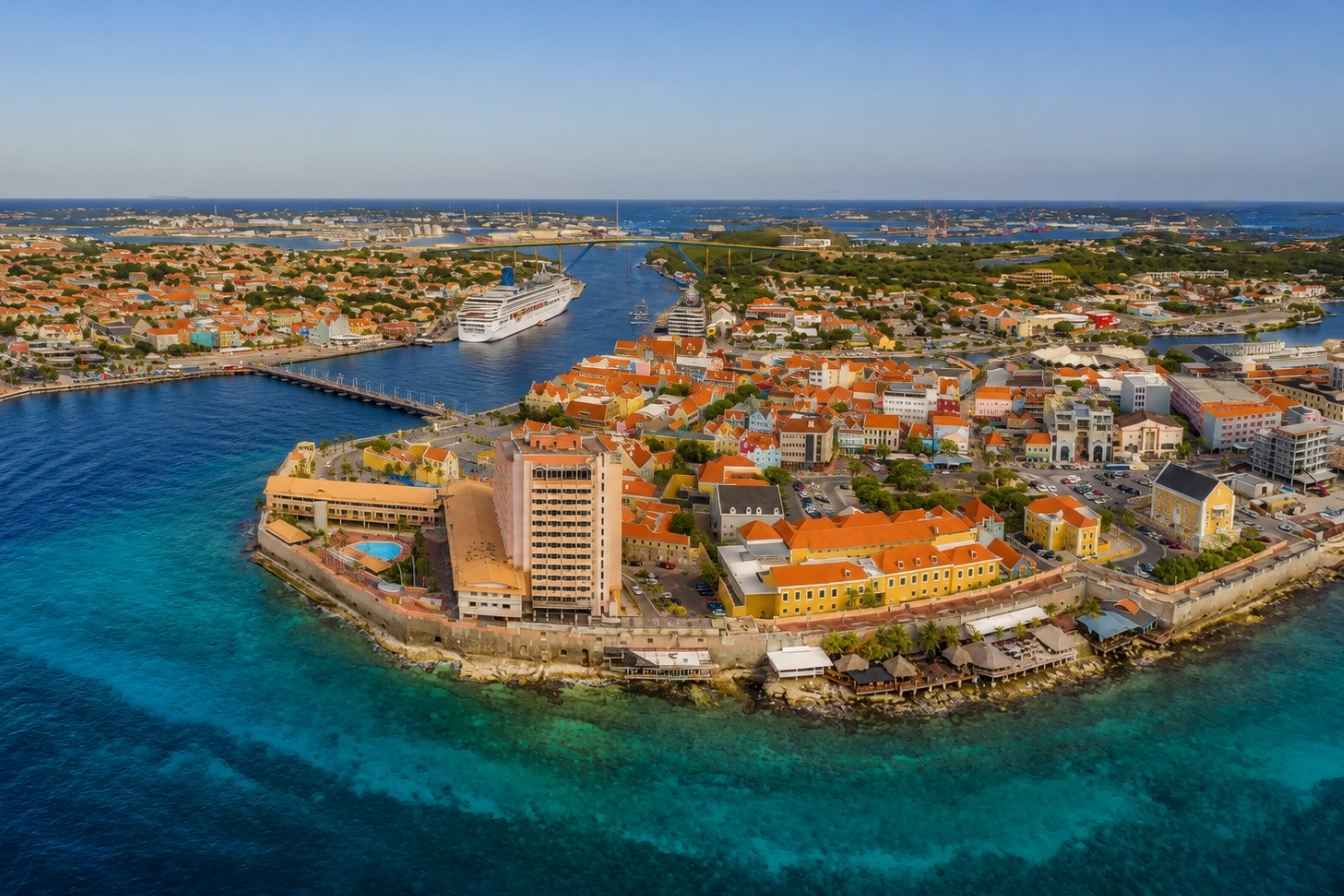
The split comes down to what you actually plan to do. A rental car is a beach-hopping tool: it shines when your days look like Grote Knip in the morning, a quiet cove in the afternoon, and a sunset drink back near town. It is far less useful for the marquee experiences, most of which start with a pickup or a boarding ramp rather than a parking lot.
Money and time both factor in. A four-hour cruise stop rarely justifies a rental, while a week-long stay at a west-side villa almost demands one. Think about the shape of your trip before the shape of your budget, then read the sections below for the numbers.
What can you only reach easily with a car?
The remote west-end beaches are where a car earns its keep. Grote Knip, Cas Abao, Playa Kalki, Playa Jeremi and the turtle beach near Westpunt sit 40 to 60 minutes from Willemstad, spread along roads that buses barely serve and taxis charge a lot to reach. If your ideal day is chasing coves at your own pace, self-driving is the honest answer.
Curaçao's best swimming and snorkeling is decentralized. The postcard beaches cluster at the far northwest tip, well past the resort strip, and there is no coastal train or frequent shuttle linking them. A rental lets you leave early, beat the tour vans to the sand, and move on the moment a beach fills up.
There is a scheduling freedom here that no tour matches. Curaçao's trade winds build through the afternoon, so a calm snorkeling cove at nine can be choppy by two, and only a self-driver can chase the conditions from one bay to the next. If a beach is crowded or the water has turned, you simply drive ten minutes on to Playa Lagun, Kleine Knip or Cas Abao and start again. That agility, reacting to weather, crowds and mood in real time, is the single strongest argument for renting.
A few of these spots reward a car specifically because getting there is half-effort. The dirt track down to Playa Jeremi and the rough approach roads near Shete Boka filter out casual visitors, so you often arrive to near-empty coastline. Read our guide to the best beaches in Curaçao before you map a route, and see which of them a tour reaches for you anyway.
| What you want to do | Car makes sense | Tour makes sense |
|---|---|---|
| Hop between remote west-end beaches | Yes, this is the car's strength | Only if a single beach stop is enough |
| Swim with wild sea turtles at Westpunt | Possible, but timing and etiquette help | Yes, guided groups handle both |
| Day trip to Klein Curaçao | No, it is boat-only | Yes, transfers and boat included |
| Off-road north coast (caves, geysers) | No, a normal rental cannot go there | Yes, that is the whole point |
| Hato Caves and flamingos in one morning | Possible if you map it yourself | Yes, one pickup covers it all |
| Willemstad sightseeing and food | Not needed, it is walkable | Optional, a food walk adds depth |
What does a guided tour cover that a rental car can't?
Anything that needs a boat, an off-road vehicle, or specialist access. A rental car cannot sail you to Klein Curaçao, cannot legally cross the rugged north-coast trails, and will not park you inside a guided turtle swim. Tours also fold in local knowledge, hotel pickup, and the small logistics that eat a self-driver's day.
Start with the water. The most-booked experience on the island is the catamaran run out to uninhabited Klein Curaçao, and no amount of horsepower gets you there; you need a seat on a boat. The same goes for the superyacht crossing that reaches the island in about an hour rather than the slower catamaran ride.
Boats aside, the wild-turtle swim near Westpunt is another case where a guide adds more than a lift. Getting into the water responsibly, keeping the required distance and reading when the animals are actually feeding is easier with someone who does it daily, which is why many travelers book the turtle stop rather than freelancing it. The same logic covers the caves, where a guide reads the limestone chambers and their history for you rather than leaving you to guess.
Then the terrain a rental contract forbids. The north coast's sandy plains, hidden Arawak cave and natural-bridge formations are reached on an off-road buggy tour of the wild north side, while the cactus trails, cliff paths and secret coves of the far west open up on a west-side beach-hopping ATV adventure. A standard rental cannot follow either route.
Finally the convenience layer. A combined day such as a guided Hato Caves, flamingos and beach trip handles pickup, entrance fees and timing so you are not squinting at a map between stops. For first-timers especially, that removes the friction that turns a self-drive day into an errand.
How much does renting a car in Curaçao actually cost?
Budget roughly $40 to $70 a day for a small car in high season, before you add insurance, fuel and the odd beach entrance fee. Rates drop off-peak and climb around Christmas and Carnival, so treat these as planning allowances and check live quotes for your dates. Fuel is sold in liters and priced above US levels.
The sticker rate is only part of the bill. The real number is the daily rate plus a collision-damage waiver, plus fuel, plus a few dollars here and there for beaches that charge per car. Skip the airport-counter upsells you do not need, but do not skip proper insurance on roads that mix potholes with free-roaming goats.
Here is a realistic way to frame the spend for a week of beach days. Every figure below is an allowance to sanity-check against current listings, not a fixed price.
| Cost line | Planning allowance | Notes |
|---|---|---|
| Small car, per day (high season) | About $40 to $70 | Cheaper off-peak, pricier at holidays |
| Collision-damage waiver, per day | About $10 to $20 | Worth it on rural roads |
| Fuel for a week of driving | About $30 to $50 | Sold in liters, above US prices |
| Beach entrance (per car, some beaches) | Around $6 at Cas Abao | Grote Knip and many beaches are free |
| Willemstad parking | A few dollars, or free lots | Tight in Punda on cruise days |
Add it up and a week of self-driving often lands near the cost of two or three booked half-day tours, so the choice is rarely about saving money. It is about whether you want flexibility or a handled itinerary. The Curaçao Tourist Board keeps a current rundown of transport options if you want to compare official guidance.
One more line item catches people out: the deposit. Rental firms place a hold on your card that can run into the hundreds, released after you return the car undamaged, so check your card has the headroom before you arrive. Booking ahead online usually beats the airport walk-up rate, especially in high season when the cheaper small cars sell out first and you are left paying for a larger vehicle you did not want.
What is driving in Curaçao really like?
You drive on the right, the main roads are good, and the island is small enough that nothing is truly far. The catch is the last mile: rural approaches to the best beaches turn to potholed or unpaved track, goats and iguanas wander the tarmac, and rural junctions are lightly signed. It is manageable, just not the effortless glide some expect.
On the well-traveled routes between the airport, Willemstad and the resort strip, driving is easy and traffic is light by Caribbean standards. Roundabouts are common and generally orderly. Trouble starts when you turn off toward a hidden cove and the smooth road gives way to gravel, washboard ruts, or a steep dirt descent like the one down to Playa Jeremi.
Two habits keep the day smooth. Fill the tank before heading to the far west, where stations thin out, and never drive the rural roads after dark, when unlit animals and unmarked potholes are hardest to spot. Keep small cash for beach entrances, and photograph the car's existing scratches before you leave the lot.
Signage is the other quiet challenge. Away from the main routes, junctions are lightly marked and place names appear in Papiamentu, Dutch or both, so download an offline map before you set off and do not rely on a live signal in the rural west. Locals drive relaxed but assertive, tailgating is common, and the courteous move when a faster car looms behind you on a narrow road is simply to let it pass rather than speed up.
| Road type | What to expect | What to know |
|---|---|---|
| Main highways (airport, Willemstad, resorts) | Smooth, well-marked, light traffic | Roundabouts throughout, drive on the right |
| Roads to popular beaches (Grote Knip, Cas Abao) | Mostly paved, occasional potholes | Watch for goats and cyclists near villages |
| Approach tracks (Playa Jeremi, Shete Boka) | Gravel, dirt, sometimes steep | A regular rental copes if you go slow |
| North-coast off-road trails | Not drivable in a rental at all | These need a buggy or ATV tour |
| Willemstad streets | One-way loops, narrow, busy on cruise days | Use a lot and walk, do not circle for parking |
Rental car vs guided tour: the honest trade-offs
A rental buys freedom and privacy but hands you the driving, parking and planning. A tour buys ease and local expertise but ties you to a set route and departure time. Neither wins outright, so match the tool to the day: a car for lazy beach-hopping, a tour for the boat trips, off-road terrain and one-and-done sightseeing.
Frame it as what you are trading. Renting trades effort for control. You decide when to leave, which cove to try, and how long to linger, and you pay for that with the mental load of route-finding and the small stress of rural roads. Booking trades control for calm: someone else drives, times the stops, and knows which beach is calm on a windy day.
There is also a knowledge gap that pricing hides. A good guide points out the wild flamingos you would have missed, explains the caves you are standing in, and reaches spots a rental contract puts off-limits. If that context is part of why you came, a tour is not the expensive option, it is the complete one.
Privacy is the factor the table cannot fully capture. A rental means your day belongs to your group alone, no waiting on strangers, no fixed lunch stop, no narration you did not ask for. For couples and families who value that, self-driving wins even when a tour would be simpler. The reverse is true for solo travelers and first-timers, for whom the shared van is part of the fun and the local guide is worth every dollar.
| Factor | Rental car | Guided tour |
|---|---|---|
| Flexibility | High, you set the pace | Fixed route and departure |
| Effort | You drive, park and find the way | Handled for you, often with pickup |
| Reaches remote beaches | Yes | Sometimes, one stop per trip |
| Reaches boats and off-road | No | Yes, this is the point |
| Local knowledge | None, you research yourself | Built in with a guide |
| Best for | Multi-day beach explorers | Short stays, first-timers, big experiences |
Can you see Curaçao without a car at all?
Yes, and many visitors do. Willemstad is genuinely walkable, most tours include hotel or cruise-port pickup, and licensed taxis fill the gaps. Combine a walkable base near town with a handful of guided days and you can reach beaches, caves, turtles and Klein Curaçao without ever holding a set of car keys.
The car-free plan leans on three legs. First, base yourself where you can walk to dinner and the waterfront, which rules out needing wheels every evening. Second, let tours do the reaching: pickup-included trips carry you to the far beaches and the boats, so distance stops being your problem. Third, keep taxis for the short, spontaneous hops, remembering that fares run high for long distances and app-based ride-hailing has only a thin presence here.
To lean into the no-car route, book a guided Curaçao island tour with hotel pickup for the days you want to range across the island, and spend the rest on foot in town. A half-day in the Punda and Otrobanda districts plus a booked beach or turtle trip covers the headline sights with zero driving. Cruise travelers can lean on this even harder, which the next section covers.
| Without a car | How it works | Best for |
|---|---|---|
| Guided tours with pickup | Operator collects you from the hotel or port | Beaches, caves, turtles, Klein Curaçao |
| Walking Willemstad | Punda, Otrobanda and the bridge on foot | Sightseeing, food, shopping, photos |
| Licensed taxi | Fixed-rate chart, agree the price first | Short hops, airport transfers |
| Public bus | Cheap but infrequent | Flexible schedules, budget travel |
Rent or book? The cruise-passenger answer
If you are off a ship for the day, skip the rental. A four to six hour window does not justify a counter queue and a full-day rate, and Willemstad is walkable straight off the pier. Book a shore excursion for the beaches or caves, walk the city for the free sights, and keep a taxi in reserve. Save the car for land-based stays.
The math is simple on a port day. By the time you clear the pier, find a rental counter, sign the contract and return with fuel and a safety buffer, you have burned a large slice of your only window. A booked excursion turns that same time into a beach or a cave with the driving handled, and drops you back near the ship.
There is one more reason to book rather than rent on a cruise day: return timing. Confirm the operator’s actual return time against your ship’s all-aboard deadline, allowing for delays and your journey back to the pier. For the full port-day playbook, see our Curaçao cruise port guide.
If your ship happens to overnight in Willemstad, the calculation shifts a little. A rare late or two-day call gives you enough hours to justify a half-day rental for one focused loop of the west coast. Even then, most passengers find the combination of a booked excursion and an evening on foot in the walkable old town less stressful than dropping a rental against a hard sailing deadline.
| Cruise-day option | Time cost | Verdict |
|---|---|---|
| Rental car | High, counter plus return admin | Rarely worth it for one day |
| Booked shore excursion | Low, pickup at the port | Best for beaches, caves, turtles |
| Taxi to a beach | Medium, fixed fare each way | Fine for one nearby beach |
| Self-guided city walk | None, step off and go | Best free option, pairs with a tour |
Which should you choose? A quick decision guide
Match the choice to your trip length and priorities. Multi-day beach explorers rent. Short-stay first-timers and cruise passengers book. Anyone whose must-do list includes Klein Curaçao, off-road terrain or a guided turtle swim books regardless, because a car cannot deliver those. When in doubt, rent for the flexible beach days and book the big experiences.
Read the table below against your own plans. If two rows describe you, that is the sign to split the trip: a rental for the coves, tours for everything a rental cannot reach. Before you lock anything in, sanity-check your trip length against our take on how many days you need in Curaçao and the shoulder-season timing in our best time to visit Curaçao guide.
Whichever way you lean, keep the island's nature protection in mind. The wild parks and coastline are managed by conservation groups such as CARMABI, and both self-drivers and tour groups are expected to tread lightly. When you would rather leave the logistics to someone else, our small-group Curaçao tours cover the headline sights with a local at the wheel.
| Your trip | Lean toward | Why |
|---|---|---|
| 5+ days, beach-focused, west-side stay | Rental car | Flexibility to chase coves daily |
| Short stay or first visit | Guided tours | Sees the highlights without the driving |
| Cruise day (4 to 6 hours) | Shore excursion plus a city walk | No time to justify a rental |
| Must-do list: Klein Curaçao, off-road, turtles | Guided tours | A boat is needed for Klein Curaçao; guided support is optional at the mainland turtle beach |
| Mixed: beaches plus big experiences | Both, split by day | Rent for coves, book for the rest |