First Time in Curaçao? What I Wish I'd Known
Curaçao rewards a little planning. Base yourself near Willemstad or the southeast beaches, rent a car or book tours for the far coasts, and respect the strong sun and the rough north shore. The local guilder is pegged to the US dollar, dollars are widely taken, and most people speak English.
Start with one main outing, then leave time for the city and the beach.
Quick Take: The Hato combination joins caves, a flamingo stop and beach time; a two-hour city walk is a shorter alternative. Explore Hato Caves, Flamingos & Beach
What should you not miss on a first visit?
Give a first trip three anchors: the pastel UNESCO waterfront of Willemstad, at least one calm-water beach day on the south or west coast, and one bigger outing, either the boat trip to Klein Curaçao or the Hato Caves, flamingos and beach loop. Add the wild north coast at Shete Boka if you have a spare morning.
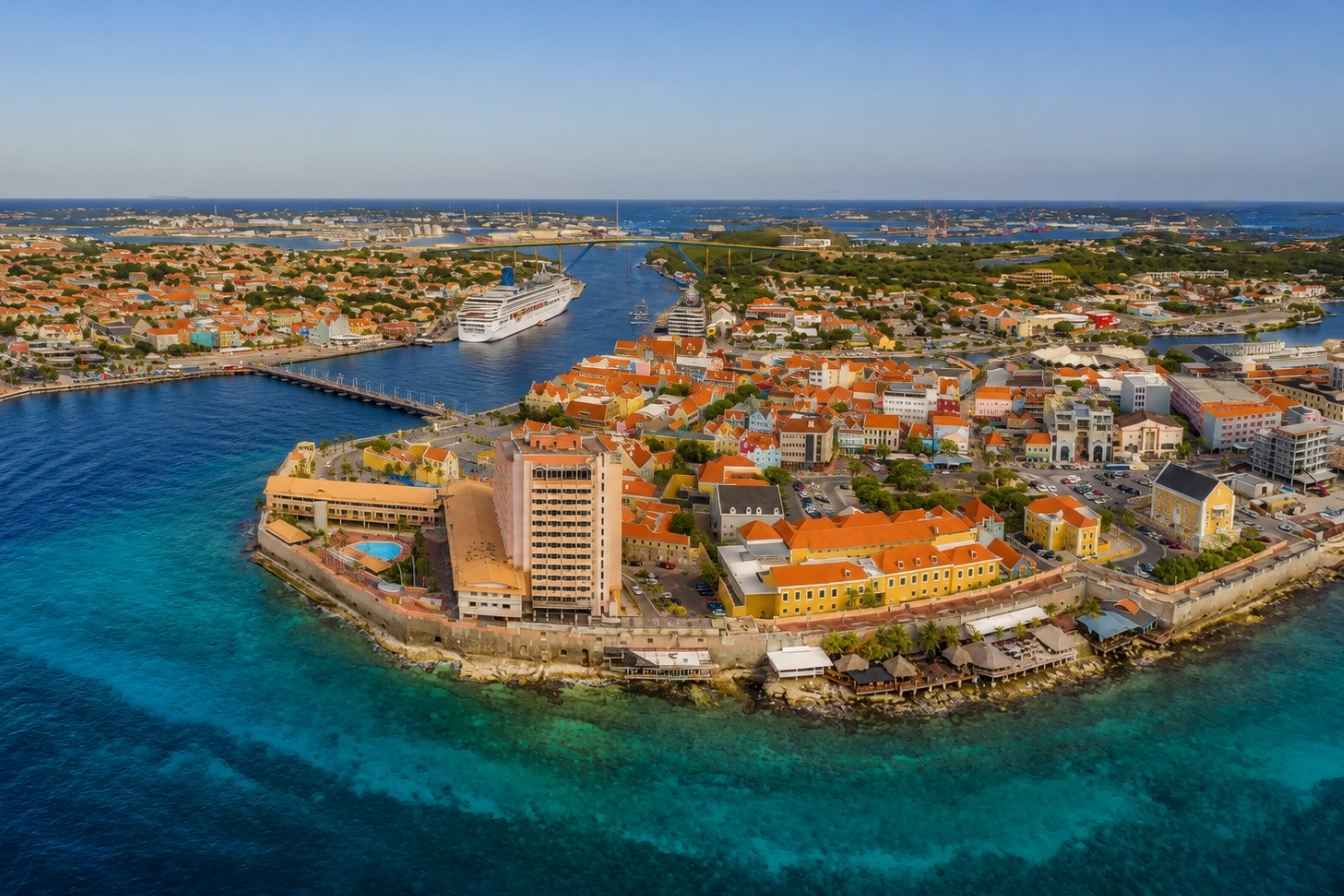
The island is small enough to sample a lot in a few days, but spread out enough that the far beaches and parks take real driving time. Do not try to cram everything into every day. Pick a headline experience and a beach, and leave room to slow down.
| Must-see | Why go |
|---|---|
| Willemstad and the Queen Emma Bridge | Photogenic colonial waterfront, a UNESCO World Heritage site, walkable by day |
| A calm-water beach | Grote Knip, Cas Abao or Porto Mari for gentle swimming and snorkeling |
| Klein Curaçao or the caves-and-flamingos loop | One bigger day out that shows off the island's range |
| Shete Boka National Park | Dramatic waves and blowholes on the rugged north coast |
Our things to do in Curaçao overview and the Willemstad walking guide map out a first itinerary. A friendly way into the city is a small-group Willemstad food tour through Punda and Otrobanda.
What should you buy in Curaçao?
The obvious souvenir is genuine Curaçao liqueur, made on the island from local laraha orange peel and still bottled at the Chobolobo distillery in Willemstad. Look for "Curaçao of Curaçao" on the label. Beyond that, local hot sauce, sea salt and handmade crafts from the floating market make honest, portable gifts.
Skip the generic beach-shop trinkets and buy something the island actually makes. The blue liqueur is the classic, and our Curaçao liqueur and Chobolobo distillery guide explains how to spot the real thing and get a glass bottle home in your checked bag. For edible souvenirs, the traditional Curaçao food guide points to what is worth tasting and taking home.
What should first-timers avoid?
Do not swim on the rough north coast, do not leave valuables in a parked rental car at remote beaches, and do not underestimate the sun. The trade wind masks the burn, so people cook without noticing. Avoid over-scheduling far-flung sights into a single day, and skip changing money you do not need.
None of this is dramatic. Curaçao is an easy island. The pitfalls are the ordinary ones: a sunburn from a windy beach, a broken car window at an isolated cove, or a day so packed with driving that you never actually relax. Lock the car, pack water and reef-safe sunscreen, and treat the north-shore surf as scenery, not a swim spot. Our Curaçao packing list has the gear that heads off most first-timer mistakes.
What should you wear in Curaçao?
Light, breathable and casual is the rule. Swimwear under a cover-up for beach days, shorts and a light top for town, and one smart-casual outfit for dinner. Cover your shoulders and knees at churches. Bring a light layer, because evenings are breezy and restaurants run their air conditioning cold.
Women often ask what is appropriate, and the honest answer is that Curaçao is relaxed. Sundresses, shorts and sandals are fine day to day. There is no need to dress up much, though a slightly nicer outfit suits the better restaurants in Willemstad and the resorts. Comfortable closed shoes matter more than a big wardrobe if you plan on hiking Christoffel or exploring the parks. Pack for strong sun above all: a hat, sunglasses and reef-safe sunscreen do more for a first trip than any outfit, because the constant trade wind hides how fast you burn.
What are the money, language and safety basics?
Curaçao is generally safe, with normal city precautions in Willemstad, which is walkable by day. The local guilder is pegged to the US dollar and dollars are widely accepted. Papiamentu is the everyday language, Dutch is official, and English and Spanish are widely spoken, so communication is rarely a problem for visitors.
A few basics go a long way on a first trip. Petty theft from cars is the main thing to guard against, so keep valuables out of sight. The island sits below the main hurricane belt, so the weather is usually settled, though our best time to visit Curaçao notes the wetter months. Weighing the island against its neighbor? Our Curaçao versus Aruba comparison lays out the differences.
| Basic | What to know |
|---|---|
| Currency | Local guilder, pegged to the US dollar; dollars and cards widely accepted |
| Language | Papiamentu and Dutch official; English and Spanish widely spoken |
| Safety | Generally safe; guard against car break-ins at remote beaches; Willemstad walkable by day |
| Getting around | Rental car for the far coasts, or book tours; taxis in and around Willemstad |
Whether you self-drive or hand the planning over, the guided Curaçao island tours we list and our rental car versus guided tour breakdown cover both routes. For a bigger day out, the Klein Curaçao day cruise and the caves, flamingos and beach combo are two easy first-trip choices. You can confirm current details with the Curaçao Tourist Board.